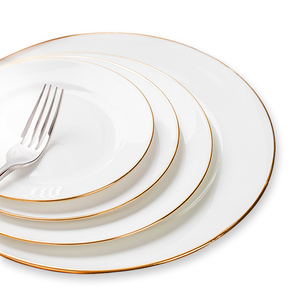

Engineered for high-volume hospitality service, luxury banquet dining, and heavy commercial dishwasher turnover in Mexico City.
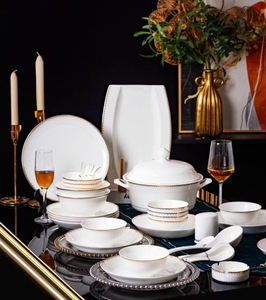
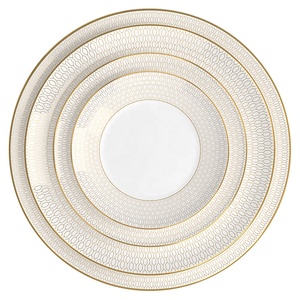
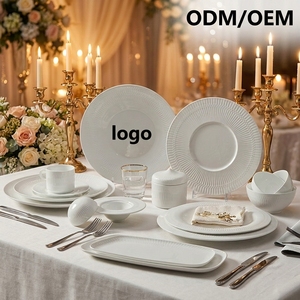
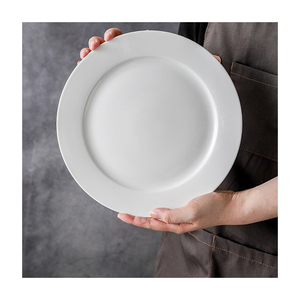
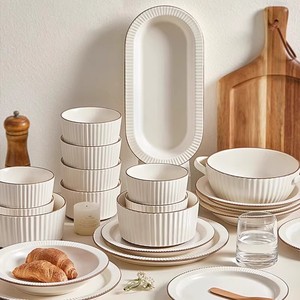
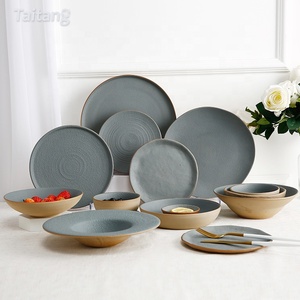
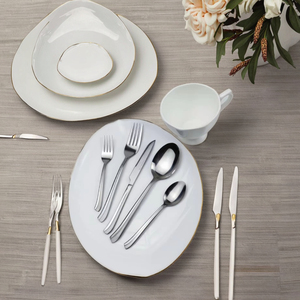
The hospitality and food service landscape in Mexico City (Ciudad de México - CDMX) is experiencing an unprecedented structural evolution. As Latin America's primary culinary and business epicenter, CDMX demands an exceptional standard of operational tableware durability alongside sophisticated architectural design. Procurement teams across high-density hospitality hubs—including Polanco, Roma Norte, Condesa, Santa Fe, and the historic Centro Histórico—face distinct logistical and operational pressures. Sourcing high-performance cereal bowls, soup basins, and multi-purpose hospitality porcelain from top Chinese manufacturing hubs has emerged as the primary strategic pathway for scaling enterprises aiming to achieve superior return on investment (ROI) without compromising visual luxury.
When specifying ceramic and bone china tableware for the Mexico City market, enterprise buyers must evaluate technical physical metrics rather than purely initial aesthetics. The unique operational conditions of CDMX hospitality—characterized by high-turnover breakfast buffets, intensive high-pressure commercial dishwashing cycles, and rapid thermal fluctuations—demand zero-porosity vitrified bodies. Chinese ceramic manufacturers have mastered the synthesis of high-purity kaolin clay, feldspar, and tri-calcium phosphate (bone ash), establishing production lines that consistently yield edge-impact resistance exceeding 0.8 Joules and water absorption rates well below 0.1%.
Fired at temperatures reaching up to 1,320°C, ensuring complete body vitrification that prevents moisture absorption, bacteria growth, and micro-cracking in high-humidity commercial kitchens.
Engineered with non-toxic, lead-free, and cadmium-free glazes specifically certified to clear Mexican health authority regulations (COFEPRIS) at customs control points.
Formulated to withstand rapid temperature differentials exceeding 180°C, shifting smoothly from back-of-house cold refrigeration to microwave reheat or hot broth serving.
A common misconception in international procurement is viewing a standard "cereal bowl" merely as a morning breakfast vehicle. In the dynamic CDMX F&B sector, a cereal bowl—typically spanning 6 inches to 8 inches (15 cm to 20 cm) in diameter with a deep capacity of 550 ml to 900 ml—functions as a workhorse vessel across all service meals.
During morning service across corporate dining rooms in Santa Fe and boutique hotel breakfasts in Condesa, these vessels present traditional *avena con leche*, artisanal granola, and seasonal tropical fruit cuts. However, as service transitions to lunch (*comida*) and dinner (*cena*), the exact same physical piece is re-deployed for iconic Mexican national dishes, including Sopa de Tortilla, Pozole Rojo, Caldo de Res, and Menudo.
Mexico City restaurant kitchens often operate within dense urban floor plans where storage space is at a premium. Our export-grade cereal bowls feature precise rim geometry and consistent foot radii engineered for multi-tier vertical stacking (up to 20 units high) without tipping hazard or glaze scratching.
At 2,240 meters above sea level, water boils at approximately 92.5°C in Mexico City. Hot soups lose thermal energy rapidly due to atmospheric conditions. Our high-density porcelain wall thickness (minimum 4.5mm) acts as a natural thermal insulator, keeping broth warm throughout table service.
Seamless international trade from manufacturing centers in Chaozhou, Tangshan, and Jingdezhen to final inland destination in Mexico City requires meticulous freight engineering. Navigating Mexican customs (Aduanas de México) requires precise documentation, accurate HS Code classification (specifically HS 6911.10 for tableware of porcelain or china), and rigorous packaging protocols to ensure zero breakage during trans-pacific transit.
Direct FCL (Full Container Load) sea shipping routes originating from Ningbo-Zhoushan or Qingdao port discharging at the Port of Manzanillo (Colima) or Port of Lázaro Cárdenas (Michoacán), followed by bonded rail/truck transport into CDMX dry ports within 22–28 days transit time.
Custom 5-ply corrugated outer master cartons paired with honeycomb cardboard dividers and individual bubble sleeves. Every container shipment passes ISTA-1A drop tests before factory gate release.
Full support with Certificate of Origin (Form A/COO), commercial invoices translated with correct Spanish technical descriptors, and pre-tested lead/cadmium lab reports for frictionless clearing.
With over four decades of dedicated research, development, and high-capacity manufacturing experience, our production infrastructure bridges traditional ceramic mastery with automated European robotics. We provide B2B procurement partners in Mexico City with direct factory-gate pricing, complete customization autonomy, and guaranteed color-matching across decade-long replenishment cycles.
Custom on-glaze and in-glaze logo applications featuring gold leaf, platinum banding, or brand motifs. Baked at 820°C in dedicated kilns to render logos completely dishwasher-safe.
Spectrophotometer-controlled glaze formulations guarantee that re-orders placed 3 years from today will match your current inventory in whiteness index, weight, and density.
Flexible manufacturing schedules accommodating project-based hospitality orders starting at just 1,000 units per custom shape or decal design.
Key technical, legal, and commercial answers for F&B purchasing executives operating in Mexico.
All ceramic, porcelain, and bone china dinnerware entering Mexico intended for food contact must comply with NOM-010-SSA1-1993. This Mexican Official Standard regulates the maximum permissible limits of soluble lead and cadmium release. Our factory products undergo laboratory testing to issue official conformity certificates required by Mexican customs authorities.
High-fired vitrified porcelain offers superior mechanical density and rim durability, making it ideal for high-volume buffets and high-turnover casual dining. Fine bone china contains over 45% bone ash, delivering extraordinary whiteness, warm translucency, and lightweight elegance—perfect for fine-dining establishments in Polanco and luxury hotels.
We routinely manage door-to-door (DDP) or door-to-port (CIF Manzanillo/Lázaro Cárdenas) shipping agreements. From the port, cargo is moved via bonded logistics carriers directly into your central warehouse in CDMX or surrounding areas such as Estado de México.
Yes. Our design studio specializes in OEM/ODM customization. We can apply metallic gold or platinum rims, full-body reactive glazes, or high-definition brand backstamps. We provide physical pre-production samples for your final sign-off prior to mass manufacturing.
Absolutely. Every batch is subjected to high-pressure chemical and thermal abrasion tests. Glazes are fully non-porous and will not cloud, craze, or fade even after thousands of cycles in commercial conveyor dishwashers using standard industrial detergents.
Standard factory production takes 25 to 35 days depending on customization requirements. Maritime transit from China to Port of Manzanillo requires approximately 20 to 25 days, plus 3 to 5 days for customs clearance and inland trucking to CDMX.
Partner with China's leading ceramic export manufacturer. Receive factory-direct wholesale pricing, technical specification sheets, and physical samples delivered to your offices in Mexico City.
Get a Quote