Industry Intelligence & Market Dynamics
Future Procurement & Development Trends in Hotel Bone China Dinnerware
As global travel resumes growth and luxury travelers demand increasingly immersive, Instagram-worthy dining experiences, the role of hotel bone china dinnerware has evolved from basic utility to a primary driver of culinary narrative. Below are four key trends shaping commercial tableware procurement for 2026 and beyond:
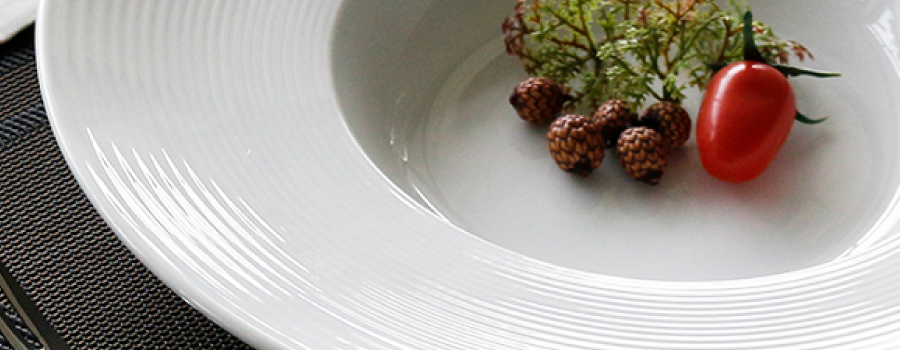
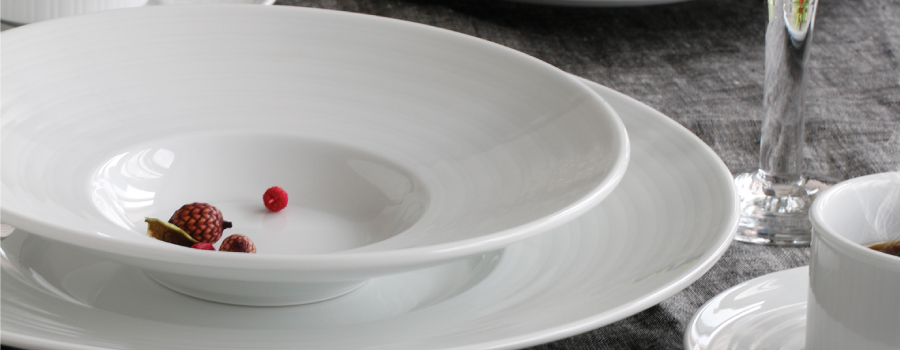
1. The Shift Toward Organic Textures & Micro-Embossed Tactility
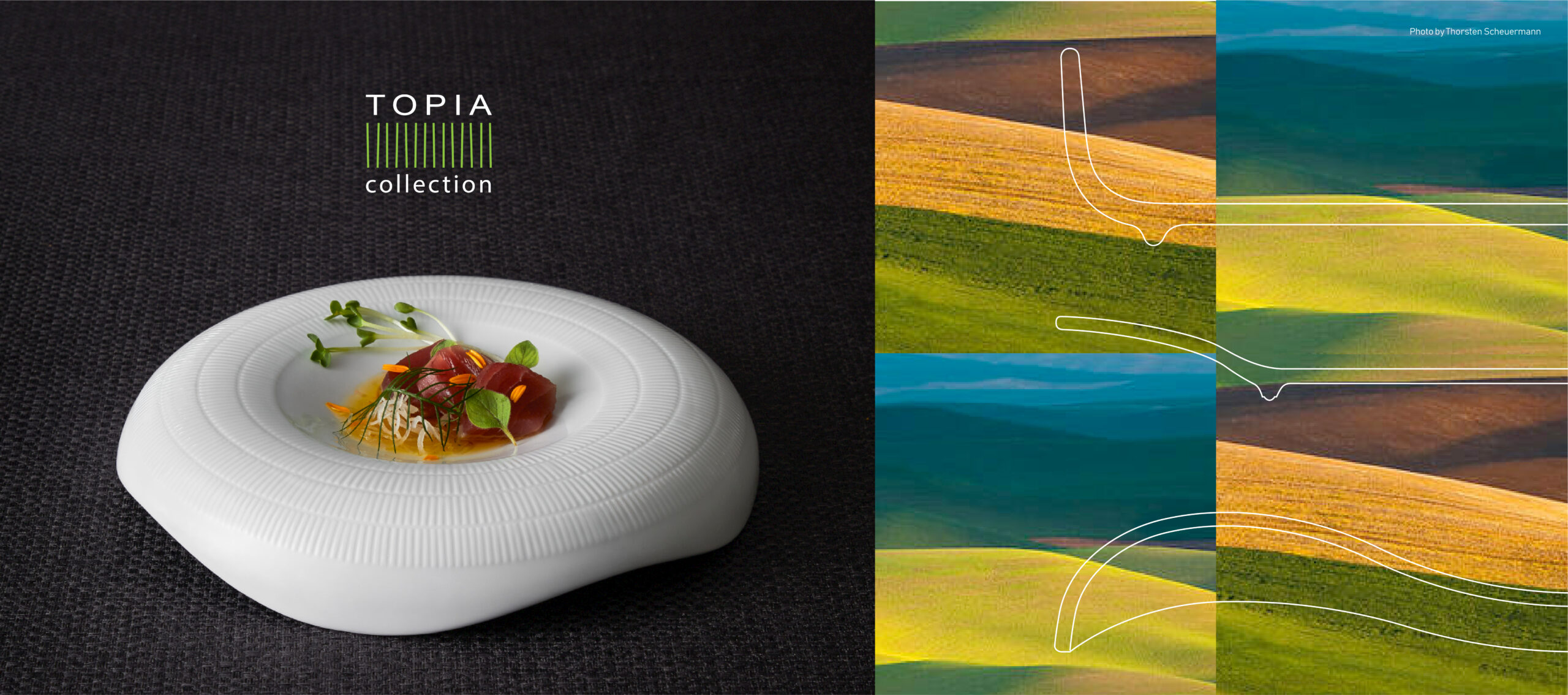
While classic pure white high-gloss dinnerware remains the staple for traditional banquet operations, contemporary fine dining outlets are aggressively moving toward micro-embossed textures, matte-glazed exterior contrasts, and organic organic profiles. Hotel groups are seeking tableware that interacts with dining room lighting, providing a tactile sensory layer before food is consumed. PATRA’s Resonance and Topia lines demonstrate how precision embossing can be integrated into high-density bone china bodies without creating glaze crevices that trap food particles or harbor bacteria.
2. Ergonomic Lightweighting & Back-of-House Health & Safety
Labor ergonomics in food service operations is a rising cost factor. Traditional heavy stoneware or thick vitrified porcelain increases server wrist strain and reduces carrying capacities per tray. High-strength hotel bone china allows for up to a 20% weight reduction per plate while maintaining equal or higher chip-resistance thresholds. F&B managers are recognizing that lighter plates lead to lower breakages during banquet setup, faster table turns, and improved working conditions for kitchen stewards.
3. In-Glaze Precious Metals & Industrial Dishwasher Compatibility
Historically, gold or platinum rimmed dinnerware was excluded from high-turnover hotel operations due to rapid degradation in high-alkaline commercial dishwashers. Modern ceramic glaze chemistry has overturned this limitation. PATRA’s proprietary in-glaze decorated bone china encases decorative mineral pigments and metallic elements underneath a protective layer of molten lead-free glaze during firing. This technique protects gold accents against chemical abrasion and physical friction, allowing luxury properties to serve royalty and VIP banquets without compromising on maintenance speed.
4. Sustainable Lifecycle Economics & Carbon Footprint Reduction
Procurement teams operating under strict ESG guidelines are prioritizing dinnerware manufacturers with verified zero-waste initiatives, energy-efficient heat-recuperation kilns, and circular raw material sourcing. Choosing highly durable bone china with a 5+ year operational lifespan significantly cuts down on transport emissions, replacement manufacturing cycles, and landfill waste compared to low-cost residential ceramics that chip every 3 to 6 months.