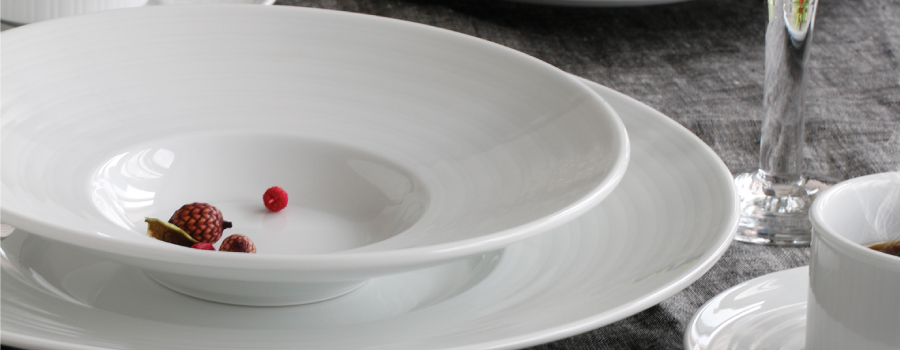
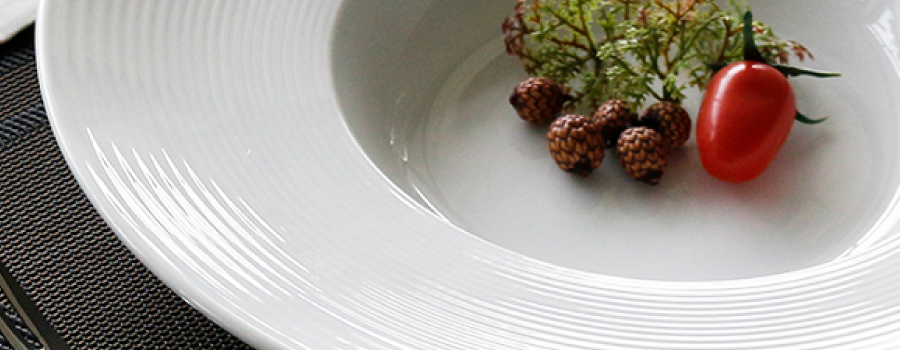
In modern commercial hospitality, dishware is no longer merely a passive vessel—it is an active architectural framing element for culinary artistry and a direct variable in restaurant profitability. Over the past decade, global procurement officers, Michelin-rated executive chefs, and F&B directors have orchestrated a decisive pivot toward bone china deep plates. Combining the visual sophistication of high-translucency fine china with the functional depth required for sauce-heavy, multi-layered, and liquid-centric gastronomy, deep plates are rapidly displacing traditional flat dinner plates across high-turnover dining environments.
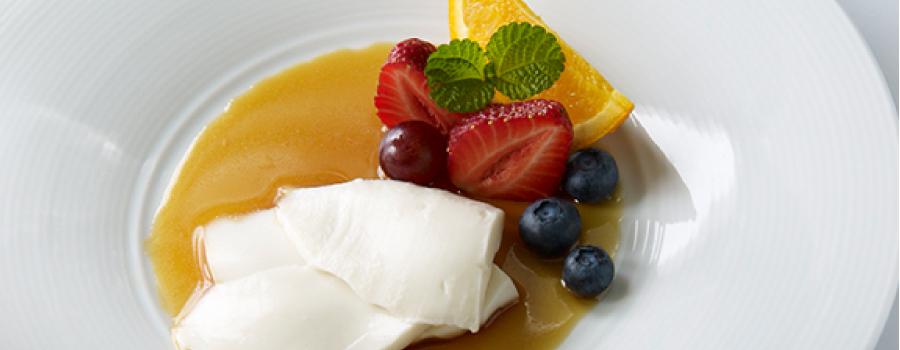
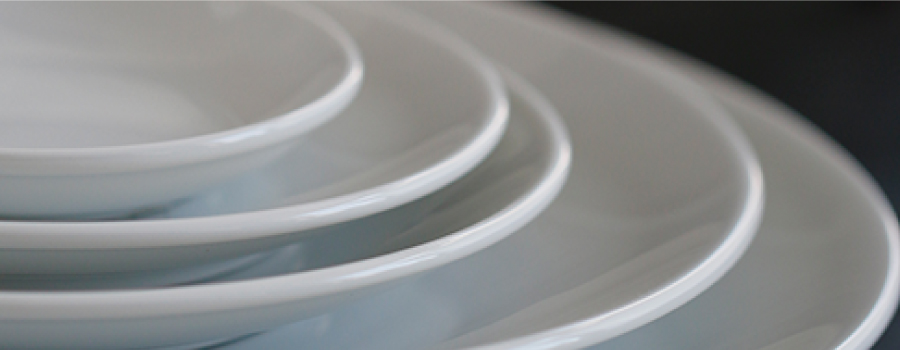
The driving force behind this transition lies in modern menu dynamics. Contemporary international dining blends traditional Western plating with pan-Asian broths, reduction glazes, emulsion sauces, and deconstructed desserts. A standard shallow dinner plate presents significant operational risks: sauce spillages during service transit, rapid heat loss due to wide exposed surface areas, and aesthetic limitations for layered presentation. Bone china deep plates—offered in both traditional wide-rim configurations and contemporary rimless coupe silhouettes—solve these friction points simultaneously.
From an enterprise procurement perspective, specifying commercial bone china deep plates requires balancing aesthetic translucency against mechanical durability. Unlike standard consumer-grade ceramics, hotel-grade bone china engineered by PATRA incorporates over 36% to 45% refined tricalcium phosphate (bone ash). This specific chemical formulation confers extraordinary flexural strength and chip resistance, allowing thinner wall profiles that lower plate tare weight for waitstaff while dramatically cutting annual replacement costs caused by edge chipping in high-temperature commercial dishwashers.