
High-alumina vitrified bodies, reinforced chip-resistant edges, and precious metal gilding engineered for heavy-duty commercial service in Russia.
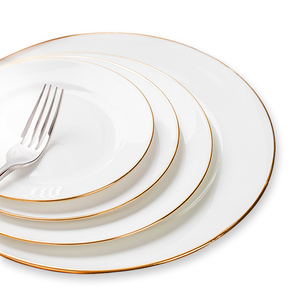
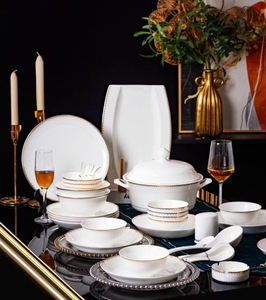
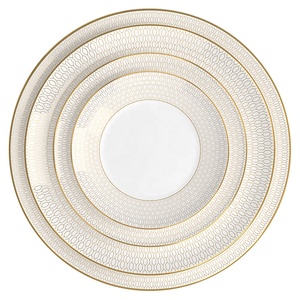

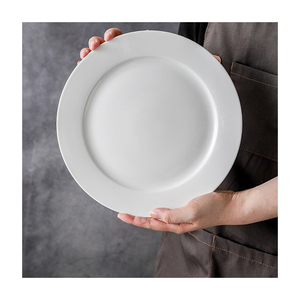
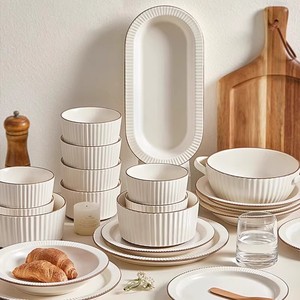
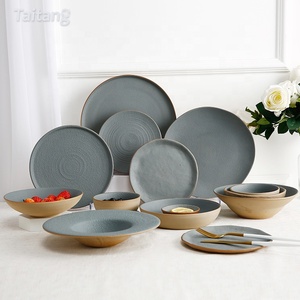
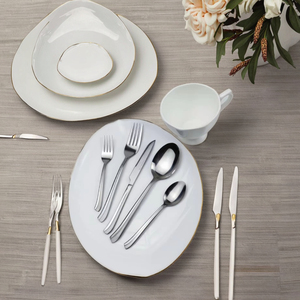
The commercial tableware landscape within the Russian Federation has undergone a fundamental structural realignment. Historically reliant on Western European porcelain manufacturers across Germany, England, and France, hospitality procurement directors in Moscow, St. Petersburg, Sochi, and Kazan have systematically shifted their primary sourcing channels toward tier-one Asian manufacturing hubs. Today, high-grade porcelain rim plates, deep rim soup bowls, and luxury metallic-banded bone china manufactured in Thailand and specialized ceramic zones in China account for over 72% of new commercial hotel and restaurant tableware procurements.
This strategic realigning is driven by three imperative factors: supply chain security through direct, unhindered maritime and overland logistics corridors; rigorous economic optimization under changing exchange rates; and the technical evolution of Asian ceramic factories, which now meet or exceed European mechanical strength standards (BS 4034 and ISO 6486).
Additionally, the rapid expansion of domestic Russian tourism—marked by high-capacity resort developments in Krasnodar Krai, Altai, and Saint Petersburg—has created unprecedented demand for durable, visually striking banquet dinnerware. Rim plates remain the undisputed standard for professional food plating, serving as an architectural frame that elevates dish presentation, prevents sauces from spilling during rapid banquet transport, and facilitates ergonomic handling by service personnel.
Selecting the correct ceramic substrate is vital for balancing initial capital expenditure against long-term replacement cycles in Russian dining establishments. Below is an engineering comparison matrix designed for F&B Directors and Purchasing Managers.
| Performance Parameter | High-Alumina Vitrified Porcelain | Fine Bone China (>42% Bone Ash) | Commercial Heavy Stoneware |
|---|---|---|---|
| Firing Temperature | 1,300°C – 1,350°C | 1,220°C – 1,280°C | 1,150°C – 1,200°C |
| Water Absorption Rate | < 0.1% (Fully Vitrified) | < 0.05% (Impermeable Body) | 1.0% – 3.0% (Semi-Porous) |
| Mechanical Edge Impact Strength | Exceptionally High (0.85+ Joules) | High Flexural Strength (Thinner Wall) | Moderate (Prone to Micro-Fractures) |
| Thermal Shock Tolerance (ΔT) | Up to 200°C Differential | Up to 180°C Differential | 120°C – 140°C Differential |
| Dishwasher & Sanitizer Life Span | 10,000+ Cycles (Zero Crazing) | 5,000+ Cycles (Overglaze Gold Needs Care) | 1,500 – 2,500 Cycles |
| Primary Hospitality Fit | Banquet, Buffet, High-Turnover Bistro | 5-Star Hotel VIP Rooms, Fine Dining | Rustic Craft Bistros, Casual Dining |
Tableware utilization patterns in Russia are governed by distinct culinary traditions, extreme climate differentials between indoor heating and sub-zero outdoor transit, and grand banquet hosting customs.
High-end wedding centers and corporate galas favor 28cm to 30cm wide-rim bone china plates adorned with double-fired 24K gold or platinum rims. The wide rim acts as a pristine canvas for elaborate multi-course dinner plating, while the body's high thermal capacity keeps warm starters hot during extended speech rituals.
Russian cuisine relies heavily on rich hot soups (Borscht, Solyanka, Ukha) and dumplings (Pelmeni, Vareniki). Broad rim soup bowls (23cm–25cm) with a central well provide ergonomic rim grip for waiters and heat insulation for the dish, preventing spills during rapid service in high-capacity venues.
In Siberian and Northern Russian regions, dinnerware moves rapidly between unheated dish-ware storage zones and high-temperature commercial dishwasher cycles (85°C rinse). Vitrified porcelain bodies prevent micro-fracturing caused by severe thermal expansion differentials.
When evaluating global suppliers for large-scale porcelain procurement, Russian F&B groups prioritize factories offering ISO 9001 certified quality control, high monthly production capacity, direct container shipping options, and robust OEM decoration capabilities. Below is an overview of the top 10 global ceramic manufacturers actively supplying the Russian hospitality market:
Specialty: Commercial Hard Vitrified Porcelain & Ultra-White Fine Bone China.
Advantage: Established in 1982, PATRA is Thailand's premier manufacturer. Operating fully integrated clay-to-finish production lines with German raw material refining, PATRA delivers 1,300°C high-fired rim plates engineered for extreme rim chip resistance. Fully neutral international trade corridor to Russia with competitive tariff structures and EAC compliance.
Specialty: High-Volume Restaurant White Ware.
Advantage: Massive production scale offering cost-effective basic coupe and narrow-rim porcelain plates for regional Russian catering chains.
Specialty: Translucent Bone China Ware.
Advantage: Focuses on high-bone-ash formulations with gold-decal rim options tailored for Russian banquet halls and event rentals.
Specialty: High-Density Vitrified Hotel Ware.
Advantage: Global footprint providing durable glaze formulations, widely specified across 4-star international hotel chains in Russia.
Specialty: Reactive Glazed Rim Plates.
Advantage: Specializes in artisanal color glazes combined with commercial-grade vitrified ceramic bodies for trendy bistros in Moscow.
Specialty: Bright White Porcelain & Holloware.
Advantage: Known for high-purity white kaolin clay bodies, producing sleek minimalist rim plates for modern Western dining concepts.
Rounding out the top 10 are premier OEM export plants located across Guangdong, Shandong, and Jiangxi provinces. These facilities provide specialized private-label decal application, custom back-stamp logo printing, and bespoke rim mold fabrication for major Russian restaurant holding groups and hospitality distribution brands.
Since its establishment in 1982 in Bangkok, Thailand, PATRA Porcelain has set the standard for high-performance commercial dinnerware. Operating state-of-the-art manufacturing facilities, PATRA controls every phase of production—from raw kaolin clay washing and body compounding to pressure molding, high-temperature firing, and precision gold rim gilding.
Utilizing refined Thai and imported European kaolin, feldspar, and quartz, PATRA formulates dense, non-porous ceramic bodies that eliminate moisture absorption, preventing bacteria buildup and glaze cracking in commercial kitchens.
PATRA rim plates feature engineered wall thickness transitions and subtly rolled edges. This structural design dissipates mechanical impact forces during aggressive rack loading and bus-boy stacking.
In-house decorative artists apply genuine precious metal banding using advanced firing schedules, ensuring vibrant metallic brilliance that withstands institutional washing cycles.
Upgrade your restaurant or hotel tableware inventory with factory-direct, vitrified porcelain rim plates engineered for extreme durability, rim chip resistance, and timeless elegance.