
Tested for high-turnover hotel operations, thermal shock resistance, and enduring luxury aesthetic across Riyadh F&B venues.
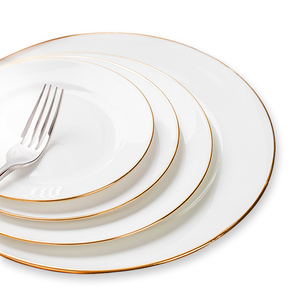
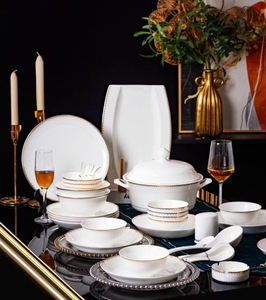
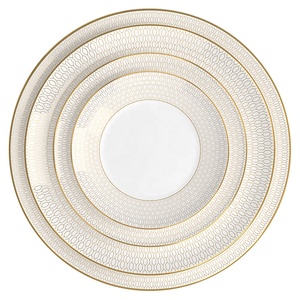
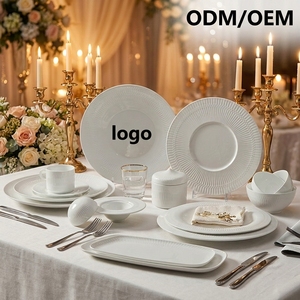
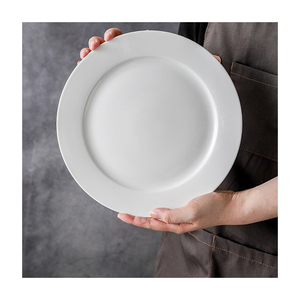
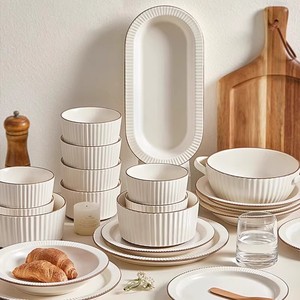
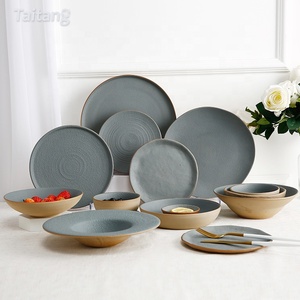
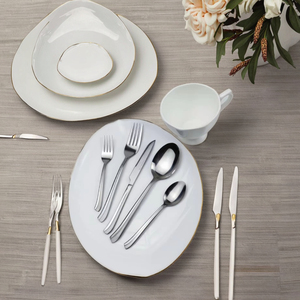
In the luxury hospitality landscape of Saudi Arabia—particularly within the burgeoning commercial ecosystem of Riyadh—tableware is far more than a passive vessel for culinary presentation. It represents a vital intersection between brand identity, structural materials science, and operational longevity. As hospitality procurement teams prepare for the vast expansion under Saudi Vision 2030, selecting the ideal platinum rim porcelain tableware manufacturers & suppliers in Riyadh requires a thorough technical understanding of ceramic engineering, precious metal deposition, and chemical resistance.
Luxury dining environments in Riyadh, ranging from 5-star international hotel chains in the King Abdullah Financial District (KAFD) to opulent banquet halls in Al-Bujairi and the Diplomatic Quarter, demand tableware that maintains flawless visual radiance while undergoing aggressive mechanical stress. Standard retail porcelain decorated with surface metallic paints fails rapidly under the rigorous washing regimens of commercial conveyor dishwashers. Professional hotel porcelain, conversely, utilizes advanced in-glaze or high-fire metallic bonding technologies that fuse German liquid bright platinum (containing high-purity noble metal compounds) into the vitrified body at temperatures exceeding 800°C to 1,200°C.
Technical Insight for F&B Procurement Directors: The primary failure point in commercial precious metal tableware is glaze micro-cracking and galvanic tarnish induced by alkaline detergent wash cycles. PATRA’s industrial double-vitrification process eliminates body porosity, while high-fire platinum rim bonding ensures zero precious metal loss up to 1,500 commercial wash cycles under standard water hardness parameters found across the Riyadh Metropolitan Area.
To withstand the continuous handling of fast-pacedbanqueting service, the underlying body composition must achieve full vitrification. Vitrification is the transformation of silicate clay, kaolin, quartz, and feldspar into a glass-like micro-structure. When fired at 1,300°C, the body’s water absorption rate drops below 0.05%. This extreme density prevents water absorption, which otherwise causes thermal shock fracture during high-temperature sanitizing cycles and creates harboring zones for micro-bacteria.
Choosing between high-fired commercial porcelain and translucent fine bone china depends on the operational venue, menu pricing model, and turnover rate. Below is an engineering comparison matrix designed for hotel procurement officers and banquet operators.
| Performance Parameter | PATRA Vitrified Hotel Porcelain | PATRA Executive Fine Bone China | Standard Commercial Ceramics |
|---|---|---|---|
| Raw Material Formulation | Kaolin, Quartz, Feldspar (High-Alumina) | Tri-Calcium Phosphate (>42% Bone Ash) | Low-Grade Ball Clay & Silicate Mix |
| Firing Temperature | 1,300°C High-Temperature Fire | 1,250°C Biscuit / 1,150°C Glaze Fire | 1,000°C - 1,100°C Single Fire |
| Body Density & Porosity | < 0.05% (Non-porous, fully vitrified) | < 0.03% (Ultra-dense translucent body) | > 0.5% (Porous, prone to moisture absorption) |
| Rim Impact Resistance (ASTM C368) | Exceptional (Reinforced Edge Profile) | High Flexural Strength (Slender Rim) | Low (Frequent Edge Chipping) |
| Precious Metal Banding Tech | High-Fire Platinum Physical Vapor Deposition | In-Glaze German Noble Platinum Decal | Low-Temp Surface Metallic Paint |
| Dishwasher Lifecycle (Cycles) | 1,500+ Commercial High-Temp Cycles | 1,000+ Specialty Banquet Cycles | < 150 Cycles Before Fading/Scratching |
| Optimal Application in KSA | High-Volume Buffets, Banquets, All-Day Dining | VIP Suites, Fine Dining, Royal Galas | Residential / Low-Frequency Casual Use |
Engineered to align with Saudi Arabia’s cultural traditions, luxury standards, and demanding environmental conditions.
In high-capacity event venues across Al-Bujairi and Diriyah Gate, banqueting tableware must handle simultaneous multi-course presentation. Platinum rim coupe plates and footed soup bowls offer elevated presentation while withstanding rapid stacking and heat lamps without glaze degradation.
International 5-star operators require standardized white ware with subtle luxury accents. Platinum rim porcelain brings a minimalist, contemporary sheen that frames modern gastronomy while ensuring scratch-resistance against stainless steel cutlery under heavy daily throughput.
Seasonal dining events in Riyadh demand massive inventory reserves that resist thermal shock when moving from chilled storage to hot holding cabinets. PATRA’s thermal shock tolerance prevents cracking during extended hot-service banquets.
Saudi Arabia’s national tourism strategy under Vision 2030 has initiated an unprecedented surge in hospitality development. With tens of thousands of new hotel keys entering the supply pipeline across Riyadh, NEOM, The Red Sea Project, and Qiddiya, purchasing specifications have matured significantly. F&B directors no longer look solely at aesthetic design; they demand verified operational metrics, lifecycle cost calculations, and reliable localized supply chains.
Key market drivers currently shaping tableware procurement in Riyadh include:
Four decades of vertical manufacturing control, innovative material R&D, and global hospitality distribution.
Founded in 1982, PATRA controls every stage of production—from raw kaolin refining and body formulation to automated pressure casting, double-firing, and hand-applied platinum rim decoration in state-of-the-art facilities.
With precise computer-controlled kiln thermal mapping, PATRA guarantees that replacement orders placed 3 to 5 years after initial setup match original shipments seamlessly in glaze hue, weight, and stacking height tolerance.
Our in-house design studio creates custom artwork proofs, gold/platinum royal crest decals, and tailored rim geometries for luxury hotel chains, diplomatic missions, and high-end restaurant concepts across the GCC.
Addressing common technical, logistical, and compliance questions regarding commercial tableware imports into Saudi Arabia.
PATRA commercial porcelain is fired at 1,300°C from a body composition of kaolin, quartz, and feldspar. It delivers maximum mechanical impact strength, high edge-chip resistance, and superior stackability—making it ideal for high-turnover all-day dining, buffets, and large conference banquets. Fine bone china contains over 42% natural bone ash (tri-calcium phosphate), producing a warm, translucent, lightweight piece with remarkable flexural strength. Bone china is preferred for VIP suites, fine dining, and executive gala events where elegant tactile quality and exceptional whiteness are paramount.
PATRA utilizes liquid bright platinum compounds containing true noble metals combined with specialized flux agents. The platinum rim is fused into the ceramic surface during a specialized second firing cycle at high temperature. This fuses the precious metal into the glaze matrix rather than leaving it sitting loosely on top. As a result, the tableware resists glaze wear, scratching, and tarnish even when subjected to standard commercial warewashing cycles at 80°C to 85°C rinse temperatures using commercial alkaline sanitizers.
Yes. All PATRA ceramic and bone china tableware ranges shipped to Saudi Arabia fully comply with the Saudi Standards, Metrology and Quality Organization (SASO) requirements. Our products are registered on the Saber electronic platform, passing rigorous laboratory test protocols for food contact safety (ISO 6486 compliance), guaranteeing zero leaching of lead, cadmium, or harmful heavy metals under acidic testing conditions.
Absolutely. PATRA operates an in-house ceramic decal and decoration division. We routinely produce customized tableware featuring family crests, hotel chain branding, or bespoke Islamic geometric patterns in precious platinum or 24K gold. Our team provides digital artwork proofing, color matching against Pantone/RAL standards, and pre-production physical samples prior to mass manufacturing.
Standard manufacturing lead times for production orders range from 45 to 60 days depending on order complexity and custom decoration requirements. Cargo is sea-freighted in full container loads (FCL) or less-than-container loads (LCL) directly to King Abdulaziz Port in Dammam or Jeddah Islamic Port, followed by bonded inland transport to Riyadh Dry Port or direct hotel site delivery. Expedited air freight options are available for emergency hotel opening top-ups.