
Engineered for extreme thermal endurance, rim-chip resistance, and sophisticated presentation across Uruguay's luxury hospitality sector.
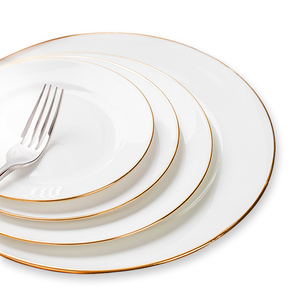
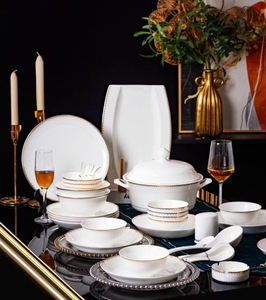
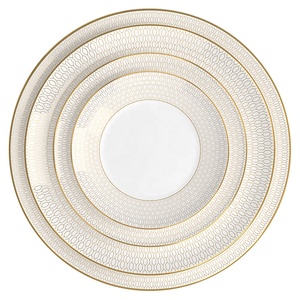
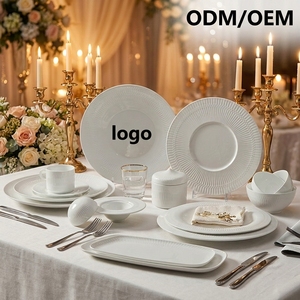
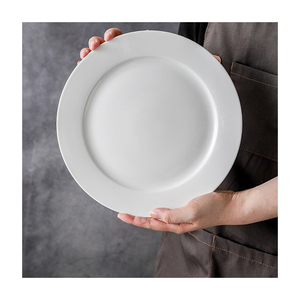
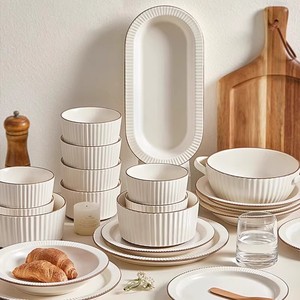
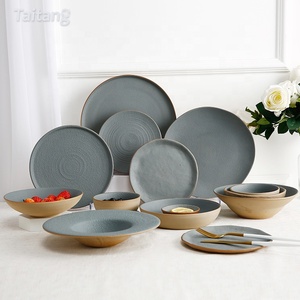
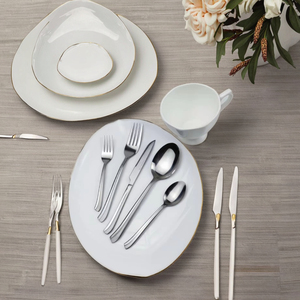
The Uruguayan hospitality and gastronomy landscape is undergoing a structural shift towards high-end, durable, and aesthetically superior tableware. Historically reliant on traditional heavy stoneware and low-fired earthenware, top-tier hospitality groups across Uruguay—ranging from five-star oceanfront properties in Punta del Este and Jose Ignacio to international business hotels along Montevideo’s Rambla—are systematically upgrading their operational inventories to high-bone-ash china and fully vitrified hotelware.
As Uruguay solidifies its status as South America's luxury hub for international tourism and high-net-worth leisure travelers, Food & Beverage (F&B) directors face a dual challenge: maintaining pristine culinary aesthetic standards while minimizing back-of-house operational replacement costs caused by edge chipping, glaze abrasion, and thermal shock failure. Direct factory sourcing of commercial bone china from specialized international manufacturers has emerged as the definitive supply chain strategy for Uruguayan hoteliers.
Fired at temperatures exceeding 1,300°C, ensuring instant transition from hot pass salamanders to high-speed commercial dishwashers (ΔT = 180°C testing standard).
Engineered rim profiles designed with rolled impact-absorbing borders to withstand aggressive conveyor wash racks and back-of-house bus tub collisions.
Proprietary quartz-hardened glaze shield rated at Mohs Hardness 7, eliminating dark metal transfer lines caused by serrated steak knives during high-volume dining.
To assist procurement directors and hospitality project managers in evaluating capital expenditure (CapEx) against long-term operational expenditure (OpEx), our R&D team has compiled comparative performance metrics based on standard hospitality durability testing:
| Performance Metric | PATRA Hotel Bone China | Standard Hotel Porcelain | Commercial Stoneware |
|---|---|---|---|
| Bone Ash Formulation | 42% – 45% Premium Tri-Calcium Phosphate | 0% (Standard Feldspathic/Kaolin) | 0% (Clay/Coarse Minerals) |
| Water Absorption (Porosity) | < 0.03% (Zero Infiltration) | < 0.5% (Vitrified) | 1.0% – 3.0% (Porous Interior) |
| Edge Impact Resistance (Joule) | 0.75 – 0.90 J (Reinforced) | 0.60 – 0.70 J | 0.25 – 0.40 J (Prone to Chipping) |
| Bending Strength (MPa) | > 140 MPa | ~ 110 MPa | ~ 50 MPa |
| Translucency & Whiteness | High Translucency / Warm Ivory White | Opaque / Cold Bluish-White | Opaque / Off-White or Tinted |
| Dishwasher Cycle Lifespan | > 3,000 Commercial Cycles | ~ 1,800 Commercial Cycles | < 500 Cycles (Glaze Crazing) |
Understanding user intent in the Uruguayan market requires granular segmentation of operational environments. A high-turnover parrilla in Montevideo has vastly different technical tableware requirements than a seasonal five-star boutique wellness resort in Punta del Este.
The Atlantic coast of Uruguay experiences intense seasonal peaks between December and February, requiring hotels to handle extreme banquet turnovers without inventory depletion.
The capital city demands year-round consistency, executive lounge durability, and quick thermal recovery times for fast-paced corporate breakfast buffets and evening wine-tasting menus.
Historic estancias and boutique winery hotels demand dinnerware that bridges classic South American rustic charm with modern hygienic durability.
Leading hotel chains and independent purchasing groups in Uruguay are modernizing their vendor evaluation frameworks. Key trends driving factory-direct sourcing include:
Uruguay leads South America in green energy usage. Hotels actively seek suppliers utilizing energy-efficient kilns, zero-wastewater recycling, and non-toxic, lead-and-cadmium-free glazes.
Luxury properties are moving away from plain unbranded china. In-house decal customization—including underglaze hotel monograms—creates strong social media brand recall for guests.
Forward-thinking purchasing agents demand factory partners with proven export logistics capabilities to the Port of Montevideo, ensuring hassle-free customs clearance under DNA (Dirección Nacional de Aduanas) regulations.
While initial purchase prices for low-grade stoneware may appear attractive, the true cost of commercial dinnerware is calculated per dining cycle. Below is a 36-month operational cost breakdown for a hypothetical 200-room luxury hotel operating 3 food & beverage outlets in Uruguay:
| Cost Factor (3-Year Horizon) | Low-Grade Stoneware / Standard Ceramics | PATRA Vitrified Hotel Bone China |
|---|---|---|
| Initial Procurement Investment (10,000 units) | $25,000 USD ($2.50 / unit) | $45,000 USD ($4.50 / unit) |
| Annual Breakage & Edge-Chip Rate | 40% per annum (4,000 units replaced/yr) | 8% per annum (800 units replaced/yr) |
| 3-Year Replacement Purchasing Cost | $30,000 USD (12,000 units) | $10,800 USD (2,400 units) |
| Indirect Handling Costs & Guest Complaints | High (Frequent chipped plate replacement) | Near Zero (Flawless surface aesthetic) |
| Total 36-Month Expenditure | $55,000 USD | $55,800 USD (Net Parity + Superior Luxury Perception) |
Key Takeaway: By Year 2, high-durability bone china offsets its premium purchase price through a 80% reduction in annual breakage rates, delivering superior ROI and protecting hotel brand prestige.
With a manufacturing heritage dating back to 1982, PATRA has established itself as a global reference in professional porcelain and bone china production. Operating integrated raw material processing, automated shaping, and state-of-the-art tunnel kilns, we guarantee unmatched product consistency for international hotel supply chains.
From refined kaolin and bone ash blending to decal printing and final firing, every production stage is controlled under ISO 9001 quality management systems.
Our industrial design studio partners with F&B directors to prototype customized rim widths, coupe depths, and exclusive logo decals within 14 business days.
We provide full container load (FCL) and less-than-container load (LCL) palletized shipping directly to Montevideo, complete with ISPM-15 compliant heat-treated wooden crates and sea-freight moisture protection.
All dinnerware manufactured for the Uruguayan hospitality sector complies with international food-contact safety standards including FDA 21 CFR 175.300, EU Directive 84/500/EEC, and ISO 6486-1:1999 (Release of lead and cadmium in ceramic ware). Our products undergo rigorous laboratory testing:
Here are expert answers to the most common questions raised by Uruguayan hotel procurement officers, F&B managers, and hospitality importers.
Request comprehensive product catalogs, factory-direct wholesale price lists, and complimentary sample kits for your hotel project in Uruguay.