
Precision-molded, chip-resistant ceramic tableware designed for high-turnover hospitality environments across Almaty, Astana, and Shymkent.
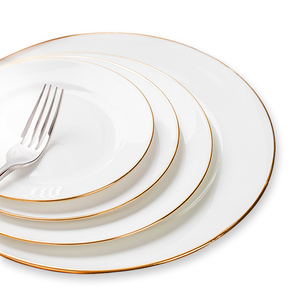
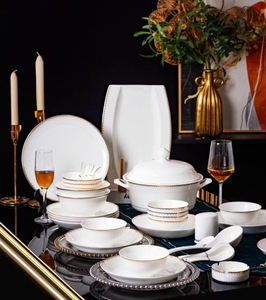
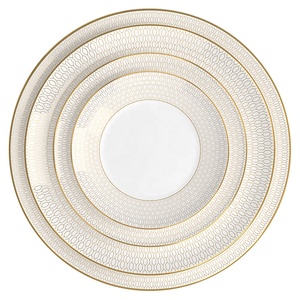
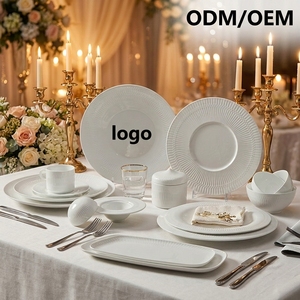
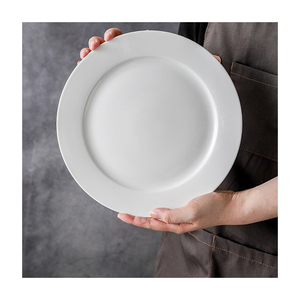
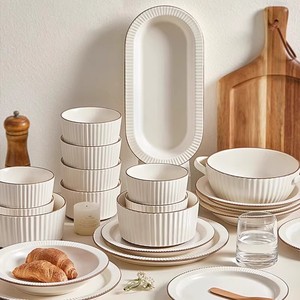
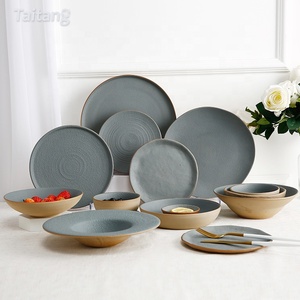
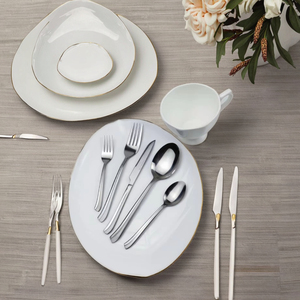
Kazakhstan’s hospitality and commercial catering ecosystem is undergoing a dramatic structural transformation. Driven by rapid urban expansion in Astana and Almaty, alongside the emergence of Shymkent as a regional event hub, commercial procurement teams no longer view tableware as a mere operational expense. Instead, embossed porcelain and bone china are treated as mission-critical assets that directly impact brand prestige, replacement frequency, and banquet throughput.
Embossed porcelain—characterized by tactile relief patterns, raised geometric motifs, and integrated architectural borders—presents unique structural and aesthetic advantages over flat or undecorated white ware. However, operating within Central Asia introduces severe mechanical and environmental stresses that standard domestic ceramic bodies cannot withstand.
Kazakhstan experiences extreme continental climate fluctuations, where back-of-house storage environments during winter can drop below freezing (-15°C to -25°C), while commercial automated pass-through dishwashers operate at sanitation temperatures exceeding 85°C. Lower-grade stoneware or semi-vitrified ceramics suffer from internal micro-cracking due to rapid thermal expansion differential (ΔT).
Our engineered high-alumina vitrified porcelain body overcomes thermal fatigue through precise formulation: fine-milled kaolin (45-50%), quartz (25-30%), and feldspar (20-25%) are homogenized under high pressure and subjected to a dual-firing process peaking at 1,300°C. This transforms the ceramic matrix into a fully non-porous glass-crystalline structure with a water absorption rate under 0.05%, preventing moisture ingress and eliminating thermal-shock failure in extreme cold-to-hot operational cycles.
In high-capacity banquet facilities, plates are subjected to aggressive stacking, high-speed clearing, and friction against stainless steel pass tables. Raised embossing acts as a sacrificial wear-shield: the raised relief patterns absorb initial physical impacts during stacking, protecting the central dining surface and delicate gold or platinum rim decorations from abrasive contact with neighboring bases.
Engineered rim geometry minimizes edge chipping by over 65% during mechanical washing and dense tray transport in fast-paced event catering.
Fully vitrified zero-porosity surface blocks lipid absorption from traditional Kazakh dishes like Beshbarmak and Kazy, eliminating ghosting odors.
In-glaze 24K gold and platinum rim technologies locked under a protective high-fire glaze shield against chemical degradation in automated dishwashers.
To assist hospitality procurement managers and hotel project directors in making data-driven sourcing decisions, the table below provides a comparative analysis of technical parameters across standard tableware categories traded within Central Asia.
| Performance Indicator | PATRA Vitrified Embossed Porcelain | Standard European Import Porcelain | Commercial Stoneware / Earthenware |
|---|---|---|---|
| Firing Temperature | 1,280°C – 1,320°C | 1,200°C – 1,250°C | 1,000°C – 1,100°C |
| Water Absorption Rate | < 0.05% (Impermeable) | < 0.5% | 3.0% – 5.0% (Porous) |
| Impact Resistance (Edge Chipping) | High (Rolled-Edge Reinforced) | Moderate | Low (Prone to flaking) |
| Thermal Shock Resistance (ΔT) | Up to 220°C Differential | 160°C Differential | 100°C Differential |
| Dishwasher Life Cycle | 3,000+ Commercial Cycles | 1,500 Cycles | < 500 Cycles |
| Custom Embossing Precision | Micron-Level CAD Molding | Standard Stamping | Low Detail Relief |
Understanding the operational context of Central Asian dining culture is critical for specifying appropriate tableware. The unique scale and menu composition of Kazakh gastronomy demand specialized porcelain solutions.
The traditional event culture of Kazakhstan relies heavily on large-scale celebratory banquets hosting 300 to 1,000 guests simultaneously. In these venues, speed of service, platter size, and heat retention are non-negotiable.
Top-tier culinary establishments in Almaty's Medeu district and Astana’s Left Bank are reinventing Central Asian cuisine. Here, translucent bone china and delicate geometric embossed rim designs serve as the artistic backdrop for chef-driven plating.
Luxury international properties operating in Kazakhstan require complete shape families (flat plates, soup bowls with lids, teacups, sauce boats) that comply with strict global brand standards while holding up to daily 24/7 all-day dining service.
As Kazakhstan consolidates its position as the key logistics node of the Trans-Caspian International Transport Route (Middle Corridor), procurement dynamics for commercial ceramic goods are shifting rapidly.
Direct freight corridors through Khorgos Dry Port and Almaty rail junctions permit rapid container transit, lowering landed freight costs for bulk tableware orders compared to Western European imports.
All products strictly conform to Eurasian Customs Union safety guidelines (TR CU standards), ensuring hassle-free customs clearance, zero toxic heavy-metal leaching (Lead/Cadmium-free), and full commercial compliance.
Driven by regional aesthetic preferences for opulent dining presentation, demand for durable gold rim bone china in wedding halls has grown by 35% year-over-year across Kazakhstan.
Established in 1982, our manufacturing facilities combine four decades of Asian ceramic craft tradition with modern European automation technology. As a fully integrated manufacturer, we maintain complete control over raw material sourcing, body preparation, mold design, glaze chemistry, and precious metal decoration.
Custom embossed shapes designed via 3D CAD/CAM software. We turn bespoke relief concepts into production-ready physical samples in under 3 weeks.
Computerized tunnel kilns ensure precise thermal curves. Re-orders placed 5 years later will match original shipments in color shade, size, and weight.
Closed-loop water recycling systems, heat recovery kilns, and non-toxic raw material formulations minimize environmental impact.
Common questions answered by our technical export team regarding procurement, logistics, and product specifications for buyers in Kazakhstan.
Contact our export department today to request full physical sample boxes, technical specification sheets, or direct factory wholesale pricing for the Kazakhstan market.