
Tested for high-impact commercial dishwashing, edge-chip resistance, and thermal durability. Available for wholesale export to Kenya.
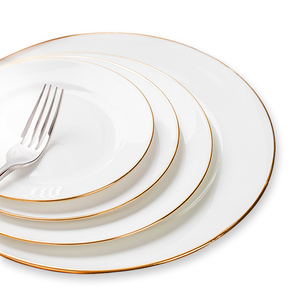
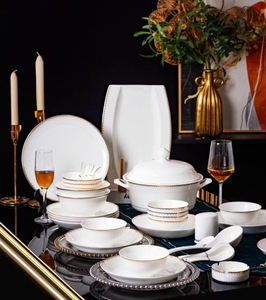
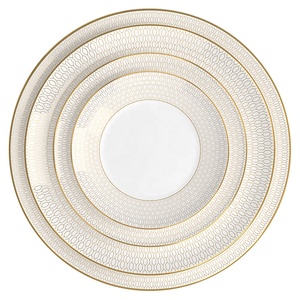
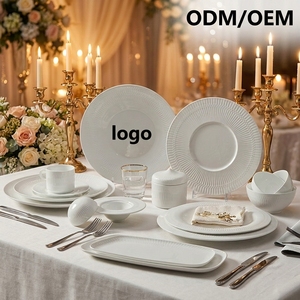
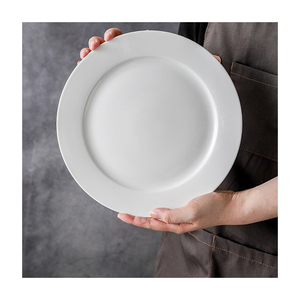
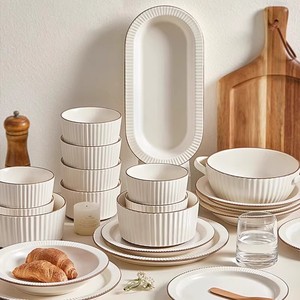
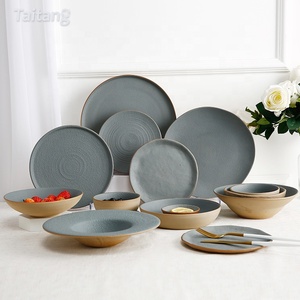
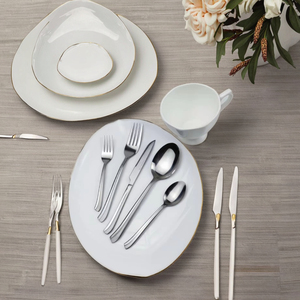
Kenya's hospitality and F&B sectors are undergoing a massive transformation driven by expanding luxury hotel developments in Nairobi's Westlands and Upper Hill, safari lodge upgrades along the Great Rift Valley, and high-capacity coastal resort turnarounds in Mombasa, Diani, and Malindi. As procurement directors and hotel owners upgrade their dining infrastructure, the demand for high-durability, premium aesthetic tableware has shifted from traditional heavyweight stoneware to refined, vitrified Bone China and high-alumina porcelain.
Direct factory sourcing from established Chinese ceramic manufacturers offers Kenyan hospitality businesses a crucial competitive edge: accessing European-level aesthetics and international quality compliance (ISO9001, FDA, KEBS PVoC) at factory-direct wholesale pricing. However, navigating the balance between visual translucency, mechanical strength, and transit logistics requires deep technical knowledge of ceramic composition and international trade compliance.
Understanding the microstructural differences between ceramic bodies is vital for Kenyan commercial buyers who face high-turnover dining environments, motorized dishwashing stress, and transit challenges across East African supply routes.
| Performance Parameter | High-Grade Bone China (China OEM) | Reinforced Hotel Porcelain | Standard Commercial Stoneware |
|---|---|---|---|
| Chemical Composition | >45% Tricalcium Phosphate (Bone Ash) + Kaolin | High-Alumina Clay + Feldspar + Quartz | Ball Clay + Low-Purity Silica |
| Firing Temperature | Bisque: 1,250°C | Glaze: 1,150°C | Single/Double Firing at 1,300°C–1,380°C | 1,000°C–1,100°C |
| Edge Chip Resistance | Exceptional (High Elasticity Modulus) | Superior (Dense Vitrified Mass) | Moderate to Poor (Prone to Spalling) |
| Translucency & Color | Soft Warm Ivory / Ultra-High Translucency | Bright Cold White / Opaque | Greyish/Dull White / Opaque |
| Thermal Shock Resilience | ΔT 160°C Rapid Shift Safe | ΔT 180°C Rapid Shift Safe | ΔT 100°C (Risk of Cracking) |
| Dishwasher Cycle Rating | 2,500+ Cycles (Glaze Preserved) | 3,000+ Cycles | < 500 Cycles (Glaze Crazing) |
By blending over 45% natural refined bone ash with premium kaolin clay, authentic Bone China achieves structural lightness without sacrificing mechanical strength. The resulting ceramic lattice is non-porous (water absorption under 0.05%), preventing moisture absorption, bacterial accumulation, and unpleasant odours—a critical hygiene factor for commercial operations regulated by the Kenya Bureau of Standards (KEBS).
Tableware selection must align directly with the environmental and operational dynamics of Kenyan venues. Our factory offers custom shape and glaze formulations optimized for four distinct local market segments:
Nairobi's corporate hubs demand stackable, scratch-resistant rimmed and coupe plates capable of enduring rapid banquet setups, heavy tray transport, and automated high-temperature dishwashers. Gold-rimmed and embossed bone china collections elevate gala dinners and executive conferences in venues across Kilimani, Westlands, and Gigiri.
Luxury eco-lodges demand warm, organic aesthetics combined with rugged durability. Thermally stable bone china and celadon porcelain withstand outdoor temperature fluctuations during bush breakfasts and evening fireside dining, offering guests a refined touch in remote wilderness environments.
Coastal environments expose dinnerware to saline atmospheric humidity and heavy seafood menus. Fully vitrified bone china features chemical-resistant glazes that resist pitting, salt-staining, and acidity damage from lemon glazes and tropical marinades.
Nairobi's booming urban dining scene requires bespoke rim contours, wide coupe plates, and lidded serving vessels. Custom logo decals, underglaze custom pantones, and matte white finishes allow chefs to turn plating into a unique brand statement.
With four decades of production heritage dating back to 1982, our production infrastructure integrates traditional hand-finishing craftsmanship with high-precision automated pressure casting and tunnel kilns. Here is how our OEM/ODM partnership benefits Kenyan wholesale importers:
We operate specialized in-glaze and on-glaze firing kilns capable of fusing custom resort logos, gold leaf borders, and tribal geometric patterns directly into the ceramic surface at 800°C–1,100°C, ensuring logos never fade or peel during commercial use.
Our R&D studio provides 3D CAD modeling and physical ceramic samples within 7–10 days, allowing project consultants and hotel contractors in Kenya to verify ergonomics, stacking height, and capacity before mass production.
By controlling raw mineral refining in-house, we guarantee precise whiteness index matching across all re-order batches. Kenyan buyers can order replacement pieces years later without encountering color mismatches.
To eliminate shipping breakage along the maritime route to Mombasa and inland trucking to Nairobi, every piece is packed in drop-tested high-density foam, honeycombed inner cartons, and fumigated solid wood pallets.
Importing commercial tableware into Kenya requires strict adherence to customs protocols and quality control standards. Our direct export department assists Kenyan clients through every stage of the procurement chain:
Contact our export department today to request our complete 2025 B2B catalog, technical specifications, and factory-direct pricing for Kenya.