Industry Market Analysis
Future Procurement Trends in Global Custom Hospitality Tableware
As international travel expands and guest expectations shift toward sensory dining experiences, hotel operators must align their F&B procurement strategies with key macroeconomic and design trends shaping the next decade.
1. Organic Geometries & Tactile Surface Textures
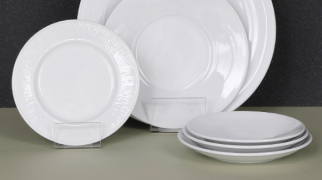
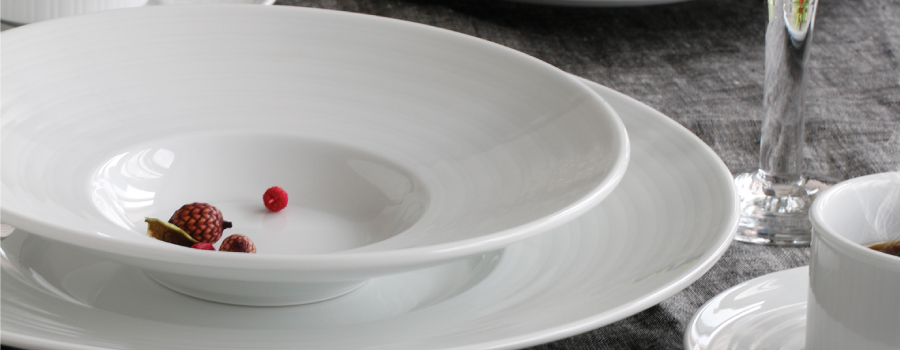
Modern culinary presentations are moving away from rigid, perfectly symmetrical round plates. Executive chefs increasingly seek soft coupe shapes, organic free-form rims, and subtle embossed textures that framing food like a canvas. However, unlike unglazed studio ceramics, commercial hospitality tableware requires fully vitrified tactile glazes that offer organic aesthetics while remaining 100% non-porous and dishwasher safe.
2. Sustainability & Carbon Footprint Auditing
Global hotel corporations (such as Marriott International, Accor, and Hilton) are enforcing strict ESG (Environmental, Social, and Governance) supplier mandates. Procurement managers now evaluate the carbon footprint of ceramic manufacturing. PATRA addresses this demand by utilizing energy-efficient shuttle kilns, heat recycling systems, local raw clay sourcing in Thailand, and 100% wastewater filtration and recirculation during body preparation.
3. Mix-and-Match Modular Table Settings
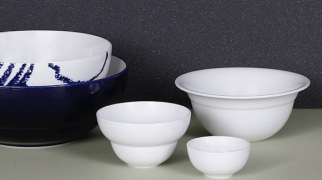
Rather than using uniform white porcelain across an entire 5-course meal, top-tier restaurants now curate multi-textured dining narratives. A starter might be presented on a matte black textured vitrified plate, followed by a main course on a pristine translucent bone china charger plate, and dessert in a custom-glazed reactive bowl. PATRA's coordinated dimensional standards allow F&B teams to mix shapes seamlessly across collections.
4. Acoustic Deadening & Ergonomic Weight Management
In high-density banquet halls and fine dining rooms, noise pollution from clattering dinnerware negatively impacts ambiance. Advanced ceramic engineering optimizes bottom rim geometries to absorb vibration and dampen noise during clearing and washing. Furthermore, reducing individual plate weight by 8-12% without sacrificing edge strength minimizes physical strain on service staff during large-scale banquet operations.