
Engineered specifically for high-turnover hospitality, luxury hotels, and corporate OEM/ODM mug sourcing.
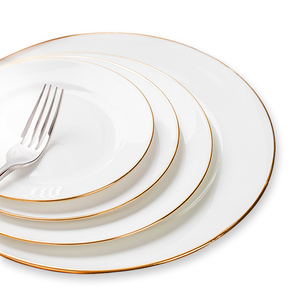
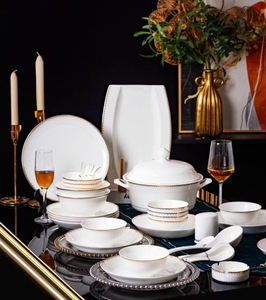
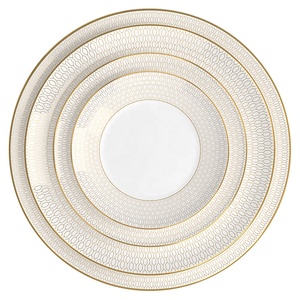
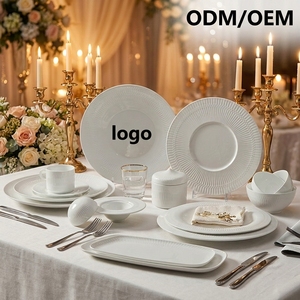
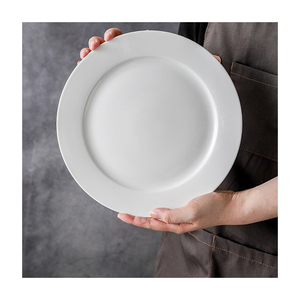
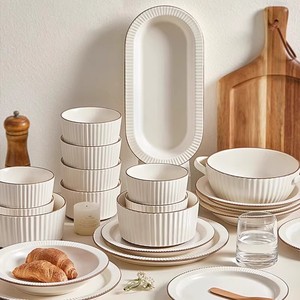
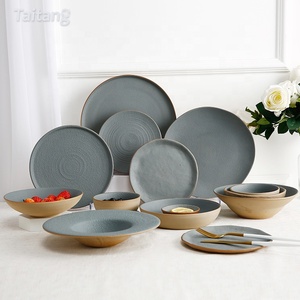
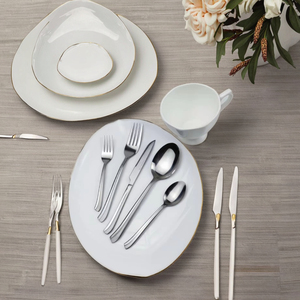
In the global hospitality and commercial beverage sector, selecting the right coffee mug manufacturer is not merely a purchase decision—it is a critical operational investment. Commercial coffee mugs and banquet tableware undergo continuous, aggressive usage cycles: thermal shocks from espresso machines to commercial conveyor dishwashers, physical edge impacts during rapid back-of-house busing, and chemical attack from acidic coffee oils and industrial sanitizers.
High-performance commercial drinkware relies on precise mineral triaxial mixtures comprising kaolin clay for plastic workability, quartz for structural silica framework, and feldspar as a natural fluxing agent. During high-temperature tunnel kiln firing reaching 1,300°C (2,372°F), feldspar melts into a liquid glass phase, filling microscopic pores between mullite crystals. This process—known as full vitrification—reduces water absorption to under 0.05%, preventing moisture absorption that causes internal stress, cracking, and bacteria accumulation.
| Material Spec | Commercial Vitrified Porcelain | Fine Bone China | Standard Stoneware / Earthenware |
|---|---|---|---|
| Firing Temperature | 1,280°C – 1,320°C | 1,220°C – 1,260°C | 1,000°C – 1,150°C |
| Water Absorption | < 0.05% (Non-porous) | < 0.01% (Fully Vitrified) | 1.0% – 5.0% (Porous body) |
| Edge Chip Resistance | Exceptionally High (0.8–1.2 Joules) | High Elastic Resilience | Low (Prone to flaking) |
| Thermal Shock Tolerance | ΔT 180°C Instantaneous | ΔT 150°C Instantaneous | ΔT 100°C (High Risk) |
| Commercial Dishwasher Life | 5,000+ Wash Cycles | 3,000+ Wash Cycles | < 500 Wash Cycles |
In coffee mug manufacturing, the junction point between the mug body and the handle represents a high-stress vector. Poorly formed slip-cast joints fail rapidly under shear stress. Advanced OEM production utilizes automated pressure casting where clay body moisture is controlled to ±0.2%, creating a monolithic structural bond. Furthermore, reinforced rim profiles—engineered with a subtle parabolic taper—distribute physical impact energy across the vessel circumference, dramatically lowering replacement frequencies in high-turnover coffee shops and hotel banquets.
Global food safety directives—such as US FDA Compliance Policy Guides, California Proposition 65, and European Regulation (EC) No 1935/2004—strictly limit lead (Pb) and cadmium (Cd) leachability in ceramic coffee mugs. Inferior glaze formulations often release toxic heavy metals when exposed to hot acidic liquids like dark roast coffee or citrus teas. Our manufacturing processes utilize lead-free fritted glazes fired in oxygen-rich kilns, fusing glaze layers permanently into the ceramic body to guarantee absolute leaching safety under prolonged chemical exposure.
Vertically integrated production from Thailand since 1982—delivering structural consistency, supply chain reliability, and bespoke OEM/ODM design flexibility.
From raw kaolin clay refining to automated pressure-forming, high-heat kilns, and in-house decal printing, every stage occurs under strict ISO 9001 QA protocols.
In-house 3D rapid prototyping and custom mold engineering allow brand owners to create proprietary mug shapes, ergonomic handles, and localized brand logos.
Computerized optical spectro-photometers ensure white body tone and custom glaze colors match seamlessly across initial production orders and multi-year reorders.
Engineered drop-test compliant nested packaging reduces carton cubic volume while keeping transport damage rates below 0.02% across international sea freight routes.
As consumer expectations elevate and global sustainability mandates tighten, commercial tableware procurement strategies are shifting. B2B buyers must align their supply chains with four major industrial transformations:
Next-generation factories are transitioning to hydrogen-blend natural gas kilns and closed-loop water reclamation, cutting embodied carbon emissions per ceramic unit by up to 35%.
Hospitality venues are moving away from standard flat gloss whites toward satin-matte textures, reactive micro-glazes, and organic earth tones that elevate the visual and tactile coffee tasting experience.
Modern precious metal decoration uses high-fire in-glaze technology where 24K gold sinks beneath the protective glaze melt during firing, enabling commercial dishwasher safety without tarnishing.
Essential technical details regarding minimum orders, custom logo applications, and global distribution.
Connect with our technical sales engineers in Thailand to request factory samples, discuss custom OEM design blueprints, or receive competitive volume quote pricing.