
Direct-from-factory tableware engineered for high-turnover hospitality, Michelin-star fine dining, and luxury private label brands.
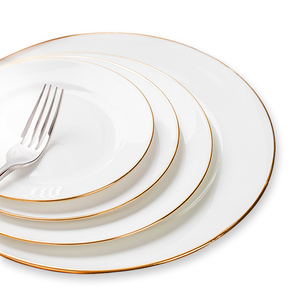

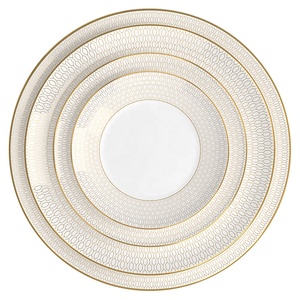
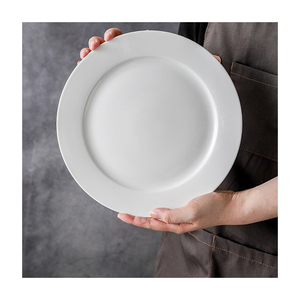
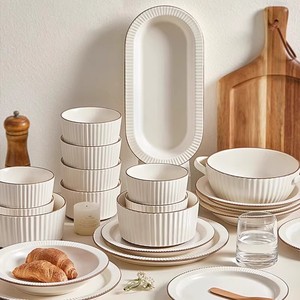
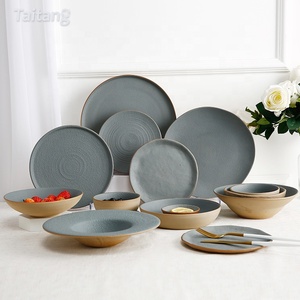
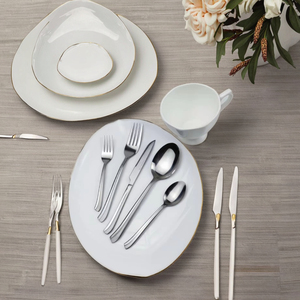
An analytical overview for commercial buyers, hotel project managers, and distributor networks seeking high-margin, durable ceramic assets.
In modern commercial hospitality, procurement directors are increasingly prioritizing lifecycle cost over initial purchasing price. The global market for high-end tea sets has bifurcated into two primary material standards:
| Performance Metric | Vitrified Commercial Porcelain | High Bone China (45%+) | Standard Stoneware |
|---|---|---|---|
| Firing Temperature | 1,300°C – 1,350°C | 1,250°C – 1,280°C | 1,150°C – 1,200°C |
| Water Absorption Rate | < 0.05% (Fully Vitrified) | < 0.10% | 1.00% – 3.00% |
| Edge Impact Resistance | Extreme (Reinforced Rim) | High (Flexural Resilience) | Moderate / Low |
| Thermal Shock Tolerance | ΔT 140°C to 180°C | ΔT 120°C to 150°C | ΔT 100°C |
| Dishwasher Cycling | 5,000+ Cycles Certified | 2,000+ Cycles (In-Glaze) | 500–1,000 Cycles |
The traditional long lead times for custom mold development have been shortened through 3D CAD modeling and rapid ceramic prototyping. Leading Chinese manufacturers now integrate computer-aided design with automated pressure casting. Key developments include:
In-Glaze vs. On-Glaze Precious Metal Decor: For tea sets featuring gold or platinum rims, modern buyers demand In-Glaze Firing (1,250°C). This process sinks the metallic leaf beneath a protective silica layer, ensuring that the decorative elements resist chemical erosion during commercial dishwasher sanitization cycles.
Non-Drip Spout Engineering: Hydrodynamic spout profiling prevents liquid runoff during service, reducing linen staining and improving operational efficiency in high-volume catering settings.
International hospitality chains are imposing strict ESG protocols on supply chains. Manufacturing excellence requires adherence to globally recognized standards:
Formulated with non-toxic, eco-friendly raw clays and glazes complying strictly with FDA 21 CFR, California Proposition 65, and EU Directive 84/500/EEC.
Utilizing natural-gas heat recovery kilns that cut carbon emissions by up to 32% per ton of fired stoneware or porcelain product.
Closed-loop reclamation systems process unfired greenware scrap back into raw slip slurry, reducing raw material waste to near zero.
End-to-end integration ensures batch-to-batch color consistency, strict dimensional tolerances, and long-term reorder availability.
From raw kaolin clay refining and glaze milling to high-precision automatic pressure casting and gold decal application, every step takes place in-house under strict ISO 9001 quality audits.
Hotels and restaurant groups cannot afford discontinued lines. Computerized body batching ensures matching whiteness, weight, and stacking height across procurement cycles years apart.
Tea cups, saucers, and teapots are designed with reinforced nesting footings to minimize storage footprint in back-of-house pantries while surviving ocean freight shock loads.
Key considerations for international hospitality procurement officers, importers, and brand owners.
Connect directly with our engineering team for factory pricing, custom 3D sample development, or comprehensive product catalogs tailored to your hotel or distribution project.
Inquire Now