
Engineered for high-volume banquets, luxury hotel dining, airline catering, and institutional foodservice environments worldwide.
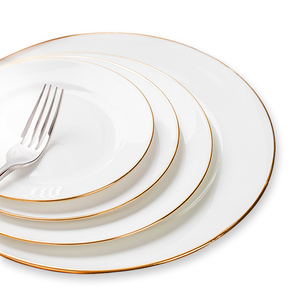
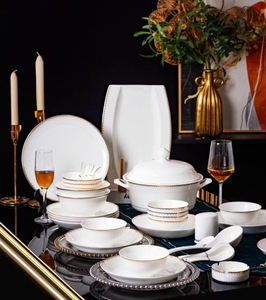
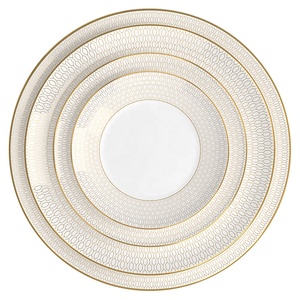
An authoritative engineering analysis for hospitality procurement officers, wholesale importers, and B2B brand owners.
When sourcing from a leading China serving bowls exporter, professional procurement managers must prioritize body density and vitrification metrics over superficial aesthetics. High-temperature vitrified porcelain is fired at temperatures ranging between 1320°C and 1380°C, causing kaolin clay, feldspar, and quartz to fuse completely.
This thermal transformation eliminates microscopic pores, keeping water absorption strictly below 0.1%. In contrast, standard earthenware or under-fired ceramics absorb moisture over time, leading to glaze crazing, bacterial retention, and structural weakness during commercial dishwashing cycles.
Understanding the operational context dictates ceramic body selection:
Comprehensive physical and chemical performance standards required for international B2B tableware procurement.
| Performance Metric | High-Alumina Porcelain | Fine Bone China | Commercial Stoneware |
|---|---|---|---|
| Firing Temperature (°C) | 1320°C – 1380°C | 1250°C – 1280°C (Biscuit) | 1180°C – 1220°C |
| Water Absorption Rate | < 0.05% (Fully Vitrified) | < 0.02% (Non-Porous) | 0.5% – 1.5% |
| Modulus of Rupture (MOR) | > 140 MPa | > 110 MPa | > 65 MPa |
| Thermal Shock Resistance | 200°C to 20°C (No Cracking) | 180°C to 20°C | 140°C to 20°C |
| Dishwasher Lifecycle Test | > 2,500 Commercial Cycles | > 1,500 Cycles (In-Glaze) | > 500 Cycles |
| Lead & Cadmium Leaching | FDA & LFGB Compliant (<0.05 mg/L) | Zero Detectable Lead | Variable (Requires Audit) |
How macroeconomic shifts, sustainability directives, and culinary aesthetics are reshaping ceramic exports from China.
Global hotel chains (such as Marriott, Hilton, and IHG) are enforcing strict ESG compliance metrics upon their supply chain partners. Top Chinese exporters are replacing traditional heavy-oil kilns with natural gas and clean electric tunnel kilns featuring energy recovery systems.
Furthermore, eco-engineered glazes utilizing recycled ceramic waste (calcined grog) lower raw material depletion while offering unique, micro-textured earthy aesthetics aligned with organic fine-dining trends.
Commercial kitchen space costs have surged globally. Modern serving bowl designs now incorporate engineered nesting ridges and foot-to-rim interlocking geometries.
By specifying stackable serving bowls with standardized foot angles, hotel banquets reduce back-of-house storage footprints by up to 35% while dramatically decreasing operational breakage during fast-paced clearing operations.
Traditional precious metal decoration (on-glaze gold or platinum banding) suffers from glaze degradation when subjected to harsh commercial dishwashing detergents (pH > 11.5). The industry is rapidly shifting toward advanced In-Glaze High-Fired Metallic Decals.
Fired at temperatures exceeding 1100°C, the gold pigments sink underneath the protective silicate glaze layer, yielding microwave-safe, dishwasher-durable luxury serving bowls that retain their pristine luster over years of daily service.
Why leading global distributors choose our OEM/ODM ceramic production facility.
Founded with a focus on commercial-grade ceramic engineering, our enterprise operates state-of-the-art production hubs backed by continuous tunnel kilns, automated pressure casting lines, and in-house laboratory testing facilities.
Our complete control over the production supply chain—from raw kaolin refining to final decal firing—guarantees batch-to-batch color consistency, weight tolerance within ±3%, and strict dimensional uniformity essential for large-scale hotel projects.
Every batch of commercial serving bowls undergoes rigorous multi-stage testing before export clearance:
Detailed technical and commercial answers addressing common procurement inquiries.
Premium export-grade serving bowls prioritize fully vitrified ceramic bodies fired above 1300°C, ensuring water absorption below 0.1%. Key indicators include high resistance to thermal shock (preventing cracking when moving from hot ovens to cold service lines), uniform glaze thickness without pinholes or iron spots, and reinforced rolled edges engineered specifically to withstand impact from commercial cutlery and washing racks. Lower-cost alternatives typically use under-fired semi-vitrified bodies that absorb moisture, craze rapidly, and chip easily in high-turnover environments.
Yes, provided they utilize advanced in-glaze or high-fired precious metal application techniques. White-ware bone china is 100% commercial dishwasher and microwave safe due to its high vitrification and thermal stability. For decorated items featuring metallic rims (gold or platinum), specifying in-glaze decoration ensures the precious metal is sealed under a durable glaze barrier, protecting it against alkaline detergents and high-temperature rinse cycles. Always refer to your supplier's technical care sheet for specific temperature and detergent pH recommendations.
For standard white-ware serving bowl collections, MOQs typically range from 500 to 1,000 pieces per shape. Custom OEM/ODM orders requiring proprietary shape molds or customized logo decals usually carry an MOQ of 2,000 to 5,000 pieces depending on bowl dimensions. Prototyping and 3D sample approvals take 7–14 days, while full-scale mass production lead times generally range between 30 and 45 days after deposit confirmation and artwork approval.
Reputable exporters maintain strict chemical control over glaze raw materials, enforcing lead-free and cadmium-free formulations. Independent lab testing (such as SGS, Intertek, or TÜV Rheinland) is performed on production samples to certify compliance with international regulations including US FDA 21 CFR 175.300, California Proposition 65, European Directive 84/500/EEC, and German LFGB standard. Test certificates are provided with export shipping documentation for seamless customs clearance.
Absolutely. Our in-house design studio handles complete decal development, including Pantone color matching, metallic foil stamping, and logo integration on bowl rims, centers, or undersides. We provide pre-production physical samples for client sign-off to ensure exact color fidelity, scale, and alignment prior to full kiln firing.
Connect directly with our senior export engineers for bulk pricing, customized product catalogs, and factory-direct OEM samples.
Get a Quote