
Engineered specifically for star-rated hotels, banquet halls, fine dining establishments, and high-volume commercial catering projects.
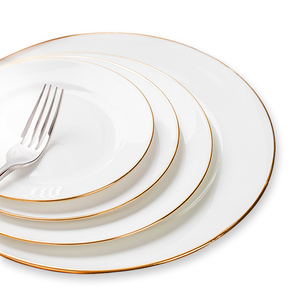
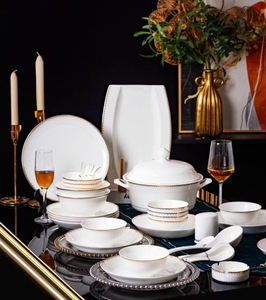
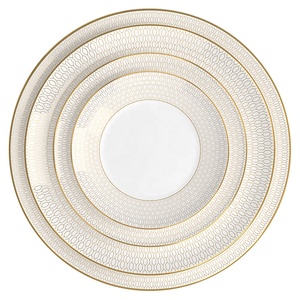
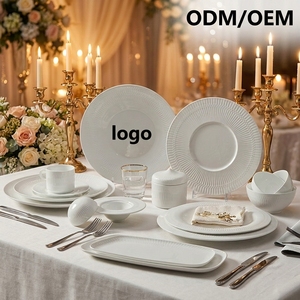
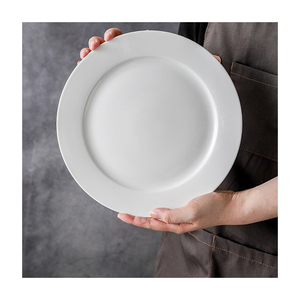
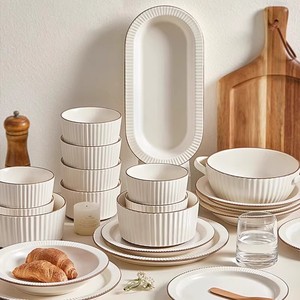
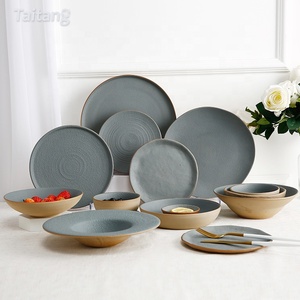
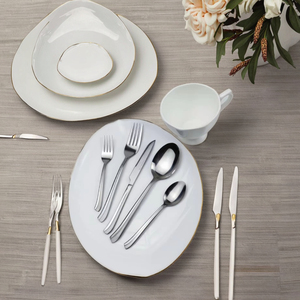
In high-turnover hospitality environments, the humble salad plate operates as a critical centerpiece for culinary presentation, portion control, and operational profitability. Professional F&B directors and global procurement managers recognize that commercial-grade salad plates demand far stricter technical specifications than standard retail dinnerware. From structural edge geometry to glaze hardness and thermal endurance, selecting the right China manufacturing partner dictates your back-of-house breakage metrics and total cost of ownership (TCO).
China's ceramic manufacturing hubs—ranging from Jingdezhen's high-grade kaolin formulations to Chaozhou's automated tunnel-kiln clusters—have evolved from volume-driven production into world-class high-precision ceramic engineering centers. Modern China suppliers combine advanced isostatic pressing technology with computer-controlled multi-stage firing schedules, producing bone china and vitrified porcelain plates that surpass international hospitality standards such as ASTM C1609 for impact resistance and EN 1183 for thermal shock safety.
When specifying salad plates for multi-outlet hotel operations or chain restaurant projects, selecting the appropriate ceramic body composition is the foundational step. The table below delineates the key technical parameters across primary commercial substrate options:
| Performance Metric | High-Alumina Vitrified Porcelain | Fine Bone China (>42% Bone Ash) | Commercial Stoneware / Earthenware |
|---|---|---|---|
| Firing Temperature | 1,320°C – 1,380°C | 1,220°C – 1,260°C (Biscuit) | 1,100°C – 1,180°C |
| Water Absorption Rate | < 0.05% (Impermeable) | < 0.03% (Fully Vitrified) | 1.0% – 3.0% (Porous) |
| Glaze Hardness (Mohs Scale) | 7.0 (Scratch Resistant) | 6.5 (High Polish Clarity) | 4.5 – 5.5 (Prone to cutlery marks) |
| Edge Chip Resistance | Exceptional (Rolled Rim Geometry) | High Structural Flexural Strength | Moderate to Low |
| Thermal Shock Tolerance | Delta 180°C (Freezer-to-Oven Safe) | Delta 140°C | Delta 100°C |
| Translucency & Whiteness | Clean Pure White / Warm Ivory | Ultra-Bright Translucent White | Opaque / Variable Tone |
Strategic buyers must align their procurement cycles with emerging culinary concepts and operational realities. Our global market intelligence highlights three decisive trends shaping the next decade of commercial dinnerware manufacturing:
Traditional wide-rim salad plates are increasingly giving way to 7.5 to 8.5-inch coupe plates and shallow salad bowls. Deep-drop wells effectively retain light vinaigrettes, oils, and micro-green arrangements while reducing accidental spills during high-speed banquet service.
Luxury hotels historically avoided gold-rimmed salad plates due to micro-arcing in microwave equipment and rapid degradation in industrial dishwashers. Modern Chinese manufacturers utilize advanced in-glaze noble metal firing techniques, embedding decorative rims under an impenetrable glaze shield.
Chefs are demanding rustic tactile experiences combined with commercial strength. High-performance satin-matte reactive glazes offer organic appeal while maintaining non-porous surfaces resistant to acid corrosion from citrus dressings and balsamic vinegar.
Procurement departments often evaluate dinnerware suppliers solely on initial Unit Cost (FOB price). However, experienced hotel asset managers apply Life Cycle Cost Analysis (LCCA). Standard non-vitrified ceramic plates suffer annual replacement rates of 18% to 25% due to rim chipping, glaze crazing, and thermal cracking. Conversely, high-alumina vitrified plates manufactured with reinforced rolled edges reduce annualized replacement rates to under 4%.
The TCO Equation for Hotel Dining Operations:
Annual Tableware Cost = (Initial Purchase Price / Lifespan Years) + (Annual Replacement Rate × Unit Cost) + Storage & Handling Freight Losses
By partnering directly with a certified China factory capable of customizing body thickness, edge curvature, and glaze density, commercial clients secure long-term replacement guarantees and batch color-matching consistency across multi-year operational cycles.
To ensure incoming shipments adhere strictly to specification sheets, global supply directors should audit prospective China tableware manufacturers against the following technical criteria:
Addressing key technical, logistical, and customization queries for corporate buyers and distributors.
Standard commercial salad plates typically range between 7.5 inches (19 cm) and 8.5 inches (21.5 cm) in diameter. For multi-course banquet dining, an 8-inch wide-rim or coupe plate provides ideal portion framing while leaving sufficient tabletop room for glassware, cutlery, and side accoutrements.
Leading factories incorporate high-alumina ceramic formulas (containing 15-20% aluminum oxide) combined with engineered rolled rim profiles. This structural curvature absorbs mechanical impacts from back-of-house bus tubs and commercial dishwashing racks, drastically lowering edge chip susceptibility.
Yes. Complete OEM/ODM customization is available. Logo decals can be applied via on-glaze or in-glaze decal firing techniques. For gold or metallic accents, precious metal decals (utilizing German Heraeus gold pastes) are fired at 800°C–830°C to guarantee exceptional abrasion resistance and durability.
For standard white vitrified porcelain stock items, MOQs start as low as 500 pieces per item. For custom shapes, specialized reactive glazes, or logo-printed orders, standard production MOQs range from 1,000 to 3,000 pieces. Initial sample production takes 7 to 10 days, with full container mass production completed in 30 to 45 days.
All fully vitrified porcelain and plain bone china tableware produced by tier-1 China factories are 100% commercial dishwasher, microwave, oven, and salamander safe. Items decorated with real metallic gold or platinum rims require specialized microwave-safe gold formulations if microwave usage is specified.
Request comprehensive product catalogs, custom OEM project quotations, or request factory-direct physical samples for laboratory endurance testing.