
As international hotel groups, fine dining establishments, and commercial hospitality buyers scale their operations, sourcing vitrified porcelain tableware from premier Chinese exporters has evolved beyond simple unit pricing. Modern procurement mandates high mechanical durability, zero-lead glaze safety, extreme thermal shock tolerance, and flawless decal transfer execution. This comprehensive white paper outlines the technological standards, material compositions, and global market trajectories defining high-end bone china and decal porcelain manufacturing.
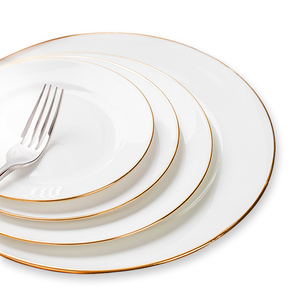
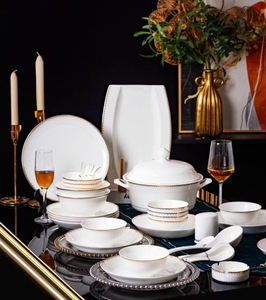
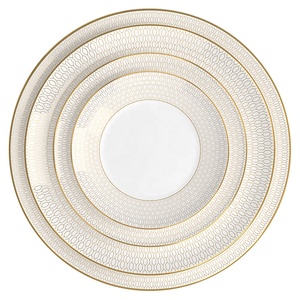
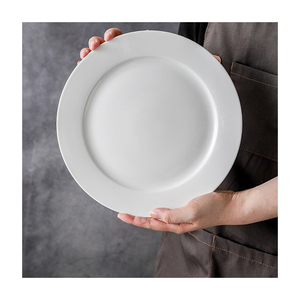
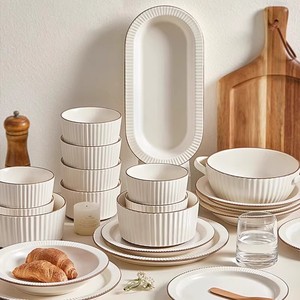
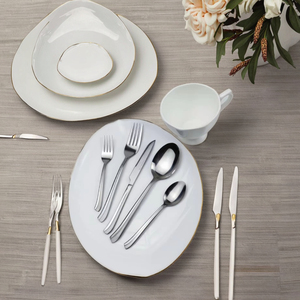
Understanding the structural physics of high-fired ceramics is essential for enterprise procurement teams responsible for managing replacement costs, operational breakage, and dishwashing degradation.
Our standard commercial porcelain bodies are formulated using premium kaolin clay, feldspar, and quartz, synthesized at 1300°C to 1320°C. This extreme thermal treatment fuses the silica matrix, creating a completely non-porous ceramic structure with zero moisture retention.
Incorporating over 45% tricalcium phosphate derived from natural bone ash, bone china exhibits unmatched translucency, structural lightness, and superior mechanical flexural strength compared to traditional stoneware or low-grade ceramics.
Decal transfer technology requires precise atmosphere control in multi-zone tunnel kilns. In-glaze decals sink beneath the molten glaze at 1250°C, rendering metallic bands and corporate logos completely impervious to commercial detergent corrosion.
Selecting the appropriate decal application method directly influences visual aesthetics, customization costs, and long-term durability under rigorous commercial handling.
| Technology Category | Firing Temperature Range | Visual & Tactile Finish | Chemical & Abrasion Resistance | Optimal Commercial Application |
|---|---|---|---|---|
| In-Glaze Decal (High Temperature) | 1200°C - 1280°C | Smooth, completely integrated into glaze, gloss texture | Maximum resistance; immune to knife scratches & acidic food reaction | High-turnover hotel restaurants, all-day dining, commercial buffets |
| On-Glaze Precious Metal Gilding | 780°C - 830°C | Elevated, highly reflective 24K real gold or platinum banding | Requires low-pH detergent; sensitive to aggressive abrasive scrubbers | Presidential galas, luxury weddings, Michelin-grade fine dining |
| Under-Glaze Hand-Painted / Transfer | 1300°C - 1320°C | Vibrant organic feel, protected entirely beneath clear glaze | Indestructible surface layer; zero degradation over decades | Bespoke heritage branding, boutique resort collections |
| Reactive & Digital Ceramic Print | 1180°C - 1250°C | Tactile relief, satin finish, artisanal micro-variations | High chemical resistance; scratch-resistant micro-texture surface | Modern farm-to-table concept dining, trendy urban eateries |
Driven by sustainability metrics, automation, and changing culinary presentations, the export landscape for Chinese porcelain is undergoing rapid modernization.
Leading China decal porcelain exporters are transitioning from traditional natural gas kilns to solar-assisted hydrogen-electric shuttle kilns. Simultaneously, eco-porcelain formulations incorporating up to 30% recycled post-industrial ceramic scrap are gaining rapid traction among ESG-compliant hotel conglomerates.
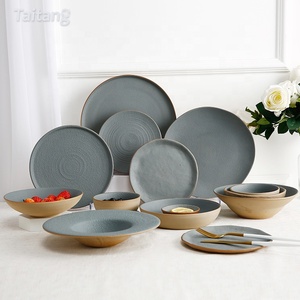
Chef-driven plating styles have shifted demand away from hyper-glossy white surfaces toward satin-matte and semi-matte glaze combinations. Advanced decal technology now allows multi-layered tactile prints that mimic slate, cast iron, and organic basalt stone while retaining the non-porous sanitary performance of fully vitrified porcelain.
To minimize back-of-house shrinkage and optimize automated banquet wash lines, enterprise buyers are specifying dinnerware with sub-glaze passive RFID chips. Exporters capable of encapsulating micro-transponders into the foot rim without compromising thermal shock tolerance are capturing premium market share.
Bridging the gap between bespoke design creativity and large-scale industrial consistency requires comprehensive vertical integration.
Unlike assemblers who outsource raw body preparation, our facilities process raw kaolin, quartz, and bone ash internally. This guarantees identical whiteness, density, and shrinkage ratios across reorders placed years apart.
Equipped with automatic color-matching spectrum analyzers and cleanroom printing lines, our design studio translates complex corporate brand guidelines, Pantones, and metallic lattice artwork into flawlessly registration-aligned decals.
Every production run undergoes a strict 5-stage inspection regime: acoustic ring test for structural cracks, 180°C thermal shock drop test, edge chip impact analysis, dishwasher detergent boiling test, and XRF heavy metal scanning.
Essential answers regarding compliance, customization lead times, minimum order quantities (MOQ), and shipping logistics.
Vitrified porcelain is fired at higher temperatures (1300°C+) creating a dense, heavy body ideal for high-impact banquet and buffet operations. Bone china includes bone ash (calcium phosphate), resulting in a thinner, lighter, highly translucent piece with superior tensile flex strength—making it preferred for high-end dining where aesthetics and elegance take priority.
Plates manufactured using in-glaze decal techniques are 100% dishwasher safe as the print is protected beneath the melted glaze layer. However, luxury items decorated with metallic 24K gold or platinum on-glaze banding require specialized low-alkaline wash cycles and non-abrasive handling to ensure multi-year durability.
All export-grade decal porcelain must comply with strict heavy metal leachability limits. Our products are routinely tested under FDA CPG 7117.06/07, EU Directive 84/500/EEC (and amendment 2005/31/EC), and ISO 6486-1 standards to ensure absolute zero-lead and zero-cadmium migration into acidic foods.
Bespoke decal proofing typically takes 7 to 10 working days, including digital color matching and physical firing of pre-production samples. Once sample approval is granted by the purchasing director, full container production lead times average 30 to 45 days depending on total order volume and shape complexity.
Elevate your commercial dining program with engineered ceramic durability, flawless bespoke decals, and factory-direct pricing. Contact our export engineering team today for technical catalogs, instant FOB quotes, and complimentary sample kits.
Inquire Now