
Engineered for high-volume foodservice operations, featured with ultra-durable glazes, thermal shock safety, and chip-resistant edge geometry.
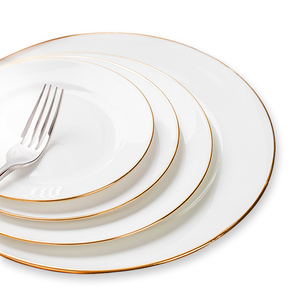
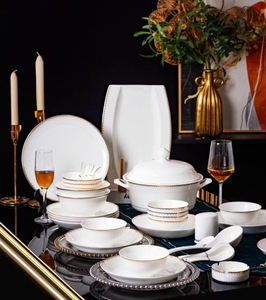
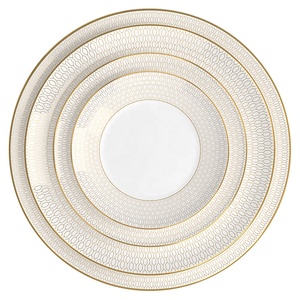
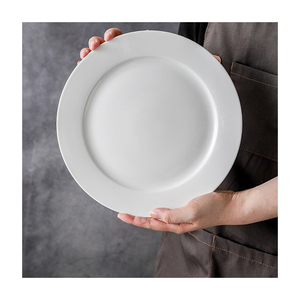
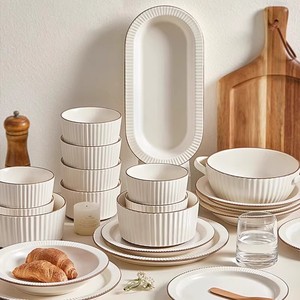
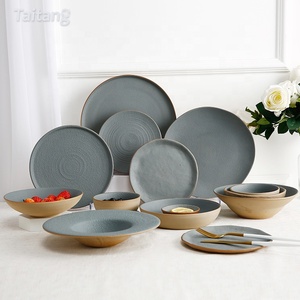
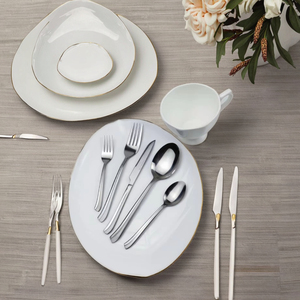
Why F&B Procurement Directors prioritize fully vitrified porcelain and high-translucency bone china for pasta and culinary presentation.
In high-turnover hospitality environments—such as star-rated hotels, banquet halls, luxury cruise ships, and high-volume Italian dining establishments—the selection of commercial pasta plates is not merely an aesthetic choice; it is a critical operational decision affecting financial bottom lines, back-of-house workflow efficiency, and customer satisfaction.
When serving hot pasta dishes (such as Tagliatelle al Tartufo, Carbonara, or Seafood Linguine), tableware must maintain precise heat retention while resisting severe mechanical stress, automated chemical dishwashing, high-temperature sanitization cycles, and physical impact during high-speed pass plating. Standard retail tableware rapidly fails under commercial pressures, resulting in micro-cracking, glaze dulling, and costly rim chipping.
Hospitality buyers often weigh the structural advantages of Vitrified High-Alumina Porcelain against Fine Bone China. Both material classes excel in professional kitchens, but serve distinct dining environments:
| Performance Specification | Vitrified Commercial Porcelain | Fine Bone China Tableware | Standard Stoneware / Earthenware |
|---|---|---|---|
| Firing Temperature | 1,300°C – 1,380°C | 1,220°C – 1,280°C | 1,000°C – 1,150°C |
| Raw Material Composition | Kaolin, Feldspar, Quartz, Alumina | 40%+ Tri-calcium Phosphate (Bone Ash), Kaolin | Ball Clay, Feldspar, Silica |
| Edge Chip Resistance | Exceptional (High impact density) | Superior Tensile Elasticity | Poor to Moderate (Prone to chipping) |
| Thermal Shock Tolerance (ΔT) | Up to 200°C Temperature Delta | Up to 180°C Temperature Delta | Sub-120°C (High crack risk) |
| Dishwasher Lifecycle (DIN 10510) | 5,000+ Cycles (Zero Glaze Dullness) | 3,000+ Cycles (Hand-decorated safe) | 500 - 1,000 Cycles |
| Primary Application | Banquet, Buffet, High-Turnover Bistro | Fine Dining, VIP Suites, Michelin Plating | Casual Home Use (Not Commercial) |
Understanding how rim depth, well diameter, thermal mass, and foot ring stackability drive back-of-house efficiency.
The recessed center well traps convection thermal energy, ensuring pasta sauces maintain optimal dining temperatures from kitchen pass to guest table, while wide borders remain cool for service staff handling.
Specially engineered rolled edges and reinforced rim thicknesses mitigate mechanical stress points during rapid dish-stacking and bussing, lowering total annual replacement costs by up to 35%.
Uniform base foot ring alignment allows plates to stack vertically up to 30 units high without swaying or scratching the glazed interior surface of lower plates, maximizing storage in cramped kitchen stations.
How global sustainability mandates, evolving culinary presentation, and automated dishwashing technology are shaping factory manufacturing.
Global hotel chains (such as Marriott, Hilton, and IHG) are increasing corporate ESG procurement criteria. Leading ceramic factories are moving toward heat-recovery continuous tunnel kilns powered by clean natural gas or green hydrogen blends. In addition, raw clay sludge recycling and zero-solid-waste water filtration systems are becoming mandatory supplier prerequisites.
While traditional wide-rimmed pasta plates remain a staple for classic fine dining, modern bistro and fusion dining concepts favor organic coupe shapes and soft, asymmetrical contours. These forms maximize visual plating area while offering chef-centric versatility for pasta, risotto, broths, and grain bowls within a unified tableware range.
The industry is experiencing a split procurement trend: contemporary urban restaurants lean toward earth-toned matte glazes with reactive minerals, while luxury hotels and banquet venues continue to demand scratch-resistant high-gloss finishes decorated with precious gold or platinum rims. Factory innovation now focuses on micro-hardened matte glazes that resist metal cutlery marking (cutlery wear resistance).
High-capacity banqueting facilities lose thousands of tableware pieces annually during off-site catering and massive events. Progressive manufacturers are experimenting with embedded passive RFID ceramic tags baked into the unglazed foot ring, enabling automated inventory tracking, loss prevention, and dish-washing cycle count verification.
Since 1982, PATRA has established itself as Thailand’s premier vertically integrated manufacturer of commercial porcelain and bone china dinnerware. Engineered specifically for global hotel groups, luxury resorts, and high-end restaurant chains, our state-of-the-art production facilities handle every phase of manufacturing in-house.
From proprietary kaolin clay refining and precision slip casting to high-temperature 1,300°C vitrification and precious metal decoration, our strict quality management protocols ensure batch-to-batch color matching, dimensional stability, and industry-leading rim durability.
Direct technical answers to common questions raised by hospitality supply buyers, project contractors, and wholesale importers.
Commercial pasta plates are engineered with higher alumina content, fired at extreme vitrification temperatures (>1,300°C), and designed with reinforced rim profiles. This creates a dense, non-porous body with a water absorption rate under 0.05%, ensuring they withstand thermal shock from dishwashers up to 85°C and intense physical impacts without cracking or chipping.
Vitrified porcelain is slightly heavier, extremely rugged, and cost-effective for high-volume all-day dining and buffets. Fine Bone China (containing 40%+ bone ash) offers higher translucent whiteness, superior thermal elegance, and lightweight handling, making it the preferred choice for fine dining, wedding banquets, and executive lounges.
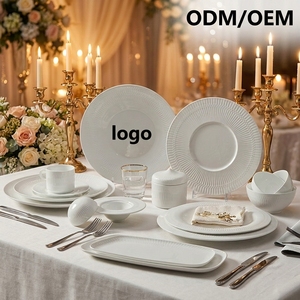
Yes. Our in-house R&D design studio offers full OEM and ODM services. We develop custom 3D mold geometries, custom glaze color matching (Pantone system), and apply high-fire in-glaze or on-glaze brand logo decals that will not fade under harsh commercial dishwashing chemicals.
Standard production lead time ranges from 30 to 45 days after sample approval, depending on order size and decorative complexity. For standard white ware items, minimum order quantities are flexible, while customized decal or bespoke shape production typically starts at 500 to 1,000 pieces per item code.
Elevate your hospitality service standards with Thailand’s premier porcelain manufacturer. Get customized OEM quotes, physical sample kits, and complete B2B pricing catalogs today.