
High-grade vitrified bone china, porcelain, and stoneware engineered for high-turnover hospitality, banquet, and luxury fine-dining environments.
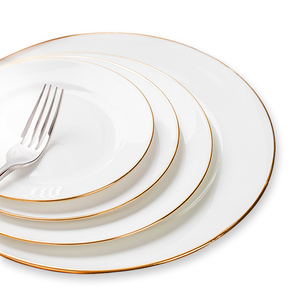
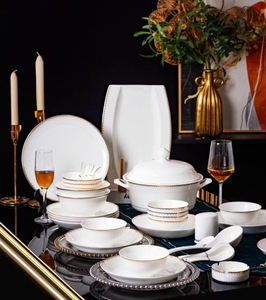
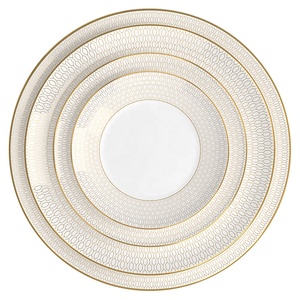
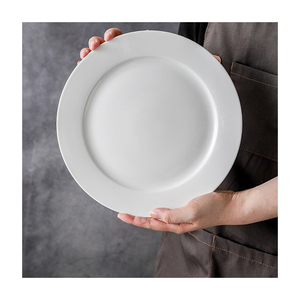
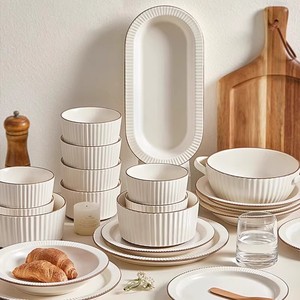
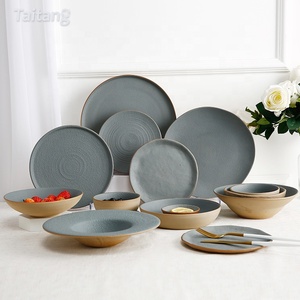
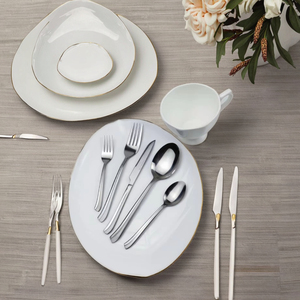
In the commercial hospitality and global table top industry, selecting an enterprise ceramic tableware manufacturer is a strategic financial decision that directly impacts back-of-house operating costs, guest satisfaction, and brand identity. Commercial dinnerware faces extreme mechanical stress, continuous automated conveyor dishwashing cycles, thermal shock from heat lamps to industrial dishwashers, and harsh chemical sanitizers.
To assist procurement directors, hotel groups, restaurant chains, and B2B importers, this white paper evaluates the global manufacturing landscape, benchmark engineering standards, material science differences (Hard Porcelain vs. High-Bone China vs. Stoneware), and future purchasing vectors for 2025–2030.
Understanding the fundamental material differences helps procurement teams match ceramic body types with operational traffic levels:
| Material Specification | Commercial Hard Porcelain | Fine Bone China | Commercial Stoneware |
|---|---|---|---|
| Primary Composition | Kaolin (50%), Quartz (25%), Feldspar (25%) | Calcium Phosphate / Bone Ash (>40%), Kaolin, Quartz | Ball Clay, Quartz, Fluxing Minerals |
| Firing Temperature | 1,300°C – 1,400°C (Fully Vitrified) | 1,200°C – 1,280°C (Glost Fired) | 1,150°C – 1,250°C (Semi-Vitrified) |
| Water Absorption | < 0.1% (Non-porous, Hygienic) | < 0.2% (High Density) | 0.5% – 3.0% (Requires intact glaze) |
| Translucency & Tone | Bright Cool White, Opaque | Warm Ivory White, High Translucency | Earth-toned, Opaque, Matte/Reactive Glaze |
| Impact & Chip Resistance | Exceptional Edge Durability | High Flexural Strength (Thinner Profile) | Moderate (Prone to rim micro-chipping) |
| Best Service Environment | Banquets, Buffets, High-Turnover Catering | Fine Dining, Executive Suites, Luxury Banquets | Casual Dining, Artisan Cafes, Bistro Outlets |
The worldwide ceramic tableware supply chain is centered in key manufacturing clusters that balance heritage craft with modern robotic automation. Below is an analytical review of the top 10 leading global manufacturers supplying commercial-grade dinnerware to international hospitality networks:
Core Specialization: Hotel-Grade Hard Porcelain & Translucent Fine Bone China.
Established in 1982, PATRA is Southeast Asia’s premier integrated ceramic manufacturer. Firing at over 1,300°C, PATRA produces high-density, chip-resistant dinnerware for global luxury hotel chains, airlines, and banquet operators with full OEM custom shape capabilities.
Core Specialization: Luxury Design-Led Fine Porcelain.
A flagship European manufacturer known for Avant-Garde fine porcelain, collaborating with world-renowned architects and chefs for signature fine-dining presentations.
Core Specialization: Premium Premium Porcelain & Hospitality Tableware.
Operating for over 270 years, Villeroy & Boch delivers high-durability white ware, offering extensive global distribution for star-rated hotels and upscale dining institutions.
Core Specialization: Vitrified Ceramic Bodies & Reactive Glazes.
UK-based manufacturer supplying durable, high-impact vitrified bodies designed specifically for busy casual dining, pubs, and high-volume commercial kitchens.
Core Specialization: Alumina Vitrified Hotelware.
Renowned for its Lifetime Edge Chip Warranty on selected ranges, utilizing alumina-enriched clay bodies for maximum physical endurance under heavy use.
Core Specialization: Mass-Volume Wholesale & Custom OEM Porcelain.
China's industrial ceramic capitals represent the world's largest export production footprint, offering scalable manufacturing, reactive glazes, and budget-to-luxury options.
Core Specialization: High-Alumina Hotelware & Buffetware.
Leveraging state-of-the-art European machinery in the Middle East, RAK produces non-porous, high-alumina porcelain engineered for all-day dining and massive banquet setups.
Core Specialization: Functional Commercial Hospital & Hotel Ware.
Pioneers of functional, highly stackable professional porcelain tailored for institutional catering, hospitals, and large-scale convention centers.
Core Specialization: Ultra-Fine Translucent Bone China & In-Glaze Decals.
Famous for meticulous Japanese precision, delicate bone china craftsmanship, and gold/platinum decorative dinnerware for high-end hospitality suites.
Core Specialization: Modern Digitally-Printed Commercial Ceramics.
Utilizing high-speed digital decoration technologies on fully vitrified porcelain bodies, supplying creative patterned plates across European and Middle Eastern markets.
PATRA Porcelain stands out in the international tableware market due to its complete vertical integration—from raw material refinement and body formulation to high-temperature gas kilns and in-house precious metal decoration studios.
While many commercial brands outsource production, PATRA maintains total control over its manufacturing plants in Thailand. This ensures that every plate, bowl, and cup meets exact weight tolerances, perfect stacking profiles, and batch-to-batch whiteness consistency. This level of precision is vital for hotel chains reordering replacement inventory over multi-year operational lifecycles.
Hospitality purchasing managers are shifting focus from initial unit cost to Total Cost of Ownership (TCO). Key procurement trends shaping contracts over the next decade include:
With back-of-house storage space commanding higher real estate costs in modern urban hotels, executive chefs and banquet directors demand coupe plates, rimless bowls, and stackable coffee cups engineered for space saving. Geometric precision prevents rim friction, reducing micro-chipping during transport on banquet trolleys.
Post-pandemic hygiene protocols have accelerated the demand for ultra-smooth, non-porous glazes that prevent chemical grease buildup and bacteria adhesion. Advanced micro-glaze formulations allow dishwashers to sanitize plates effectively at lower water temperatures, reducing energy consumption in eco-conscious resorts.
Leading global buyers now require corporate social responsibility (CSR) audits from suppliers. Factories utilizing heat-recovery kilns, closed-loop water filtration system, and eco-calcined bone substitutes (for vegan/halal bone china compliance) are taking preference in international tenders.
While fine white porcelain remains the classic benchmark for formal dining, casual and luxury lifestyle venues are procuring reactive glaze stoneware look-alikes. Modern factories produce these textured visual effects on fully vitrified 1,300°C porcelain bodies, combining artisanal rustic charm with commercial durability.
The manufacturing process of technical ceramics has evolved rapidly. Below are the core technological shifts driving higher yield and enhanced durability:
Replacing traditional wet plastic jiggering, high-pressure isostatic pressing uses spray-dried ceramic powder compacted under hundreds of bars of hydraulic pressure. This eliminates internal air pockets, ensuring zero structural warp and uniform density across large flatware plates.
Automated robotic arms deliver uniform glaze thickness across delicate contours and rim edges. Consistent glaze thickness prevents thermal expansion tension, eliminating glaze crazing (fine cracking) after thousands of dishwasher cycles.
In-glaze decorative application fires the color pigment into the liquefied glaze layer at high temperature (1,200°C+). Unlike standard on-glaze printing, in-glaze logos and patterns are completely sealed beneath a protective glass shield, making them 100% dishwasher-proof and scratch-resistant.
Below are authoritative answers to common technical and logistics questions encountered by B2B importers, hotel developers, and purchasing agents:
Consult with our ceramic engineers and international sales specialists today. Receive product catalogs, material sample kits, or custom OEM manufacturing quotes tailored to your project timeline.
Contact Us