
Commercial-grade vitrified porcelain and translucent high-bone china designed for high-turnover hotel, banquet, and culinary service.
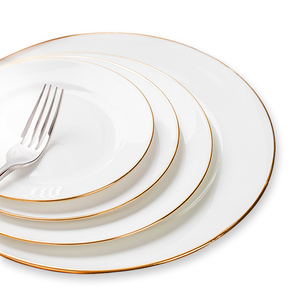
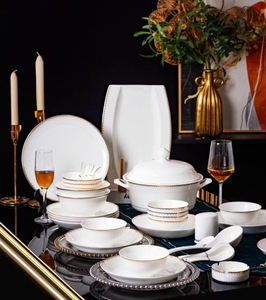
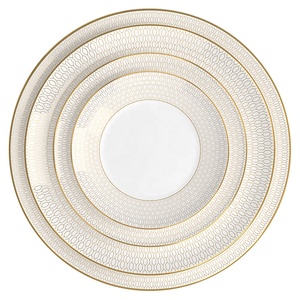
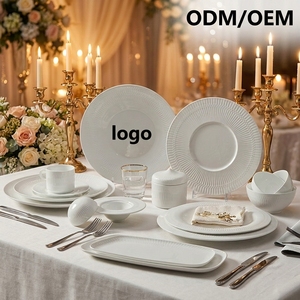
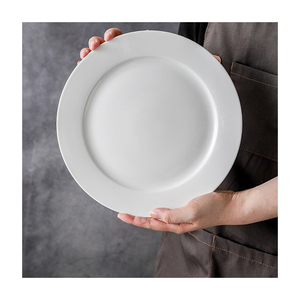
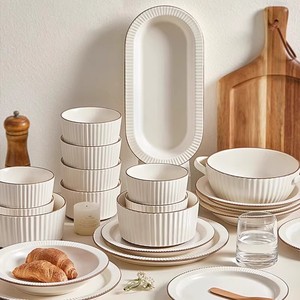
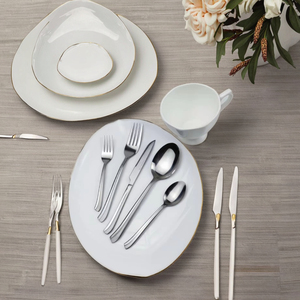
Understanding the mechanical properties, chemical formulations, and thermal dynamics required for commercial-grade ceramic durability.
In the global hospitality sector, commercial tableware procurement is driven by strict mechanical standards, lifecycle costs, and operational risk mitigation. Unlike consumer retail dinnerware, professional hotel porcelain and fine bone china operate under continuous thermal stress, mechanical impacts in automated dishwashers, aggressive chemical detergent cycles, and dense stacking back-of-house. Leading OEM/ODM manufacturers like PATRA Porcelain (operating since 1982 in Thailand) engineer products using high-purity kaolin clay, refined feldspar, quartz, and tri-calcium phosphate (bone ash) to ensure total vitrification and zero porosity.
B2B procurement directors must evaluate the core material matrix when specifying collections for distinct dining environments. The performance of a ceramic piece is directly determined by its crystalline microstructure formed during high-temperature tunnel kiln firing.
| Performance Metrics | Commercial Vitrified Porcelain | High-Purity Fine Bone China | Reinforced Hard Alumina Ware |
|---|---|---|---|
| Bone Ash Content (Ca3(PO4)2) | 0% (Pure Clay Matrix) | 42% – 45%+ (Natural Bone Ash) | 0% (Alumina Oxide Enriched) |
| Firing Temperature Range | 1,300°C – 1,380°C (Single/Double Fired) | 1,220°C (Biscuit) / 1,150°C (Glaze) | 1,350°C (High Density Firing) |
| Water Absorption Rate | < 0.1% (BS 4034 Compliant) | < 0.05% (Fully Non-Porous) | < 0.08% (Commercial Standard) |
| Translucency & Whiteness Index | Neutral White / Warm Ivory | Ultra-High Translucency (>80 Tint) | Opaque Off-White / Solid Body |
| Mechanical Edge Chip Resistance | High (Engineered Rolled Rim) | Exceptional Tensile Strength (Slim Profile) | Maximum (Banquet Heavy Duty) |
| Thermal Shock Tolerance | Delta 180°C Flash Quench Safe | Delta 150°C Safe handling | Delta 200°C High Resistance |
During the primary firing cycle at temperatures reaching 1,300°C, kaolin undergoes a phase transformation into needle-like mullite crystals (3Al2O3·2SiO2). These micro-needles interlock within a glassy silica phase, creating an impenetrable structural network. This microstructural density prevents moisture ingress—completely eliminating bacterial nesting and micro-fracture expansion caused by commercial steam dishwashing.
Custom tableware development demands strict technical execution from concept artwork to mass production tooling. As an established OEM/ODM exporter, our manufacturing framework incorporates precise stages to guarantee dimensional consistency and zero batch-to-batch variation.
Initial technical drawings are rendered into 3D solid models, accounting for volumetric shrinkage (typically 12%-14%) during kiln firing. CNC-machined plaster models produce quick physical samples for chef ergonomics and stacking clearance checks.
Flatware and complex coupe plates are formed under ultra-high hydraulic pressure (up to 300 bar) using dry ceramic powder. Isostatic pressing eliminates internal air pockets, ensuring perfect structural symmetry and warping resistance.
Glaze slip is applied via automated robotic sprayers or electrostatic dip systems, maintaining an exact glaze thickness of 0.15mm to 0.25mm. High-clarity glazes resist metal marking from 18/10 stainless steel cutlery.
For custom hotel branding, custom logo decals, 24K real gold rims, or platinum gilding are fired in specialized third-fire kilns at 780°C - 850°C. In-glaze technology melts the color pigment into the glaze layer, securing full dishwasher durability.
Every lot undergoes rigorous QA checks: pendulum edge-impact testing (ASTM C368), autoclave thermal shock endurance, micrometer flat alignment, and acid/alkali stain resistance testing per ISO 6486 standards.
Products are packed in drop-tested, high-burst strength corrugated cartons with modular cellular dividers and polyethylene foam casing to withstand international ocean freight and transit vibration.
How luxury hotel chains, Michelin-starred establishments, and hospitality distributors are reframing their supply chain priorities.
The global hospitality market is experiencing a structural shift in tableware procurement strategy. Procurement officers are no longer focusing solely on initial unit acquisition cost; instead, total cost of ownership (TCO), supply chain resiliency, and eco-sustainability dominate vendor selection criteria.
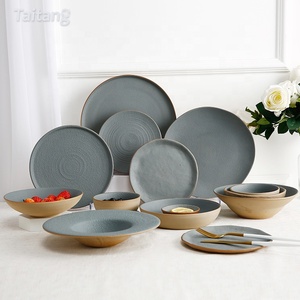
While traditional bright white vitrified plates remain the benchmark for classical banqueting, executive chefs increasingly demand tactile surface depth. Reactive glazes, semi-matte finishes, subtle celadon hues, and organic hand-sculpted rim geometries are gaining significant traction in high-end à la carte dining. OEM manufacturers capable of producing batch-consistent reactive glazes that maintain commercial stain resistance hold a distinct competitive edge.
Environmental standards (ESG) have reached commercial foodservice supply chains. Global hotel groups now audit factories for energy efficiency. Key technological benchmarks include:
With back-of-house storage space commanding high real estate costs in urban luxury hotels, procurement teams favor versatile tableware shape families. Stackable coupe plates that double as platter bases, universal saucer footprints accommodating coffee, tea, and espresso cups, and nesting bowls significantly decrease stock keeping unit (SKU) count while simplifying inventory logistics.
Recent breakthroughs in raw material refining and furnace engineering are creating a new generation of commercial dinnerware with unprecedented durability metrics:
Nanotechnology Scratch-Resistant Coatings: Incorporation of sub-micron zirconium silicates within the glaze matrix increases surface hardness to Mohs Scale 7+. This minimizes dark metal marking caused by cutlery friction under heavy dishwashing conditions.
Ultra-Lightweight High-Strength Bone China: Advanced body formulations featuring micro-fine ground bone mineral allow wall thickness reductions down to 1.8mm while exceeding standard impact resistance values. This reduces overall tray weight for airline catering, cruise lines, and large-scale banquet servers.
Direct technical answers for hotel general managers, procurement specialists, and global distributors.
Vitrified porcelain is fired at high temperatures (~1,300°C) from kaolin clay, delivering exceptional structural density, high thermal shock tolerance, and impact resistance ideal for high-turnover buffets and banquets. Fine Bone China incorporates 42%+ bone ash, producing a whiter, lighter, highly translucent body with superior elegant aesthetics for fine-dining settings.
Yes. All white vitrified porcelain and plain bone china items are 100% commercial dishwasher and microwave safe. Products featuring 24K real gold or platinum edge banding are engineered with specialized glaze overcoats; however, microwave use is restricted for metallic-decorated lines. Detailed care instructions are supplied with every order.
Initial CAD designs and 3D plaster models require 7-10 days. Pre-production sample approval takes 2-3 weeks. Upon sample sign-off, full production lead time for FCL (Full Container Load) shipments typically ranges between 35 to 50 days, depending on custom decal complexity and quantity.
Our raw materials and finished glazes undergo batch testing by third-party laboratories (SGS / Intertek). We strictly adhere to US FDA Compliance Policy Guides, EU Regulation (EC) No 1935/2004, and ISO 6486 standards, guaranteeing zero lead or cadmium leaching during acidic food contact.
Four decades of vertical integration, master ceramic craftsmanship, and export reliability.
Established in 1982 in Thailand, PATRA Porcelain has grown into a premier global supplier of hotel-grade porcelain and bone china tableware. Our state-of-the-art production complex integrates every manufacturing stage under one roof—from raw material refinement, slip formulation, and pressure molding to in-house decal printing, high-temperature firing, and robotic sorting.
This total vertical integration ensures complete control over dimensional tolerances, glaze consistency, and long-term re-order color matching. When international hotel chains expand or replace inventory years after initial commissioning, PATRA guarantees exact shape matching and body whiteness continuity.
Request comprehensive product catalogs, order custom sample kits, or consult with our senior technical engineering team for your upcoming hospitality project.