
Commercial-grade vitrified body engineered for extreme thermal endurance, heavy banquet stacking, and luxury presentation.
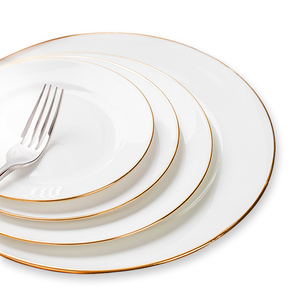
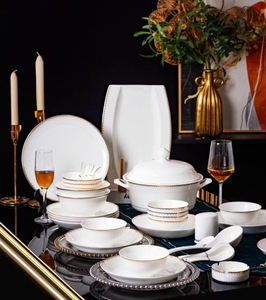
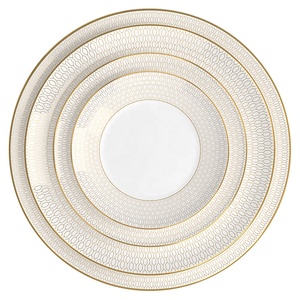
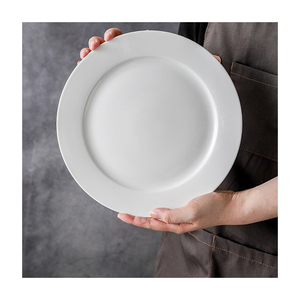
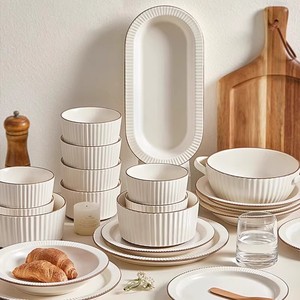
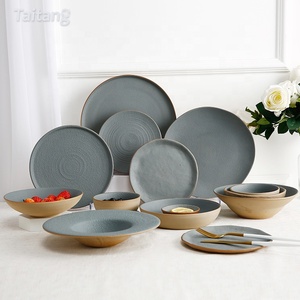
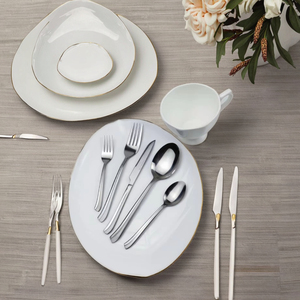
In the demanding global hospitality sector—spanning five-star international hotel chains, fine-dining establishments, cruise lines, and high-volume banquet facilities—tableware is not merely a decorative accessory; it is a critical operational asset. As a premier custom OEM glazed porcelain factory based in Bangkok, Thailand since 1982, PATRA Porcelain has pioneered high-density ceramic vitrification technologies engineered specifically to minimize total cost of ownership (TCO) for global procurement professionals.
Commercial glazed porcelain differs fundamentally from residential-grade ceramics in its microstructural mineral density, chemical formulation, and thermal firing profile. Our body formulation combines purified high-grade Kaolin, Feldspar, and Quartz, processed via multi-stage electromagnetic iron removal to eliminate metallic impurities. The resulting greenware undergoes high-pressure casting or automated jiggering before being subjected to a primary bisque firing and a final high-temperature glaze firing at 1,300°C (2,372°F).
The Vitrification Advantage: At 1,300°C, the feldspathic phase melts and fills inter-crystalline voids, creating a completely non-porous vitreous structure with water absorption rates below 0.1%. This mechanical density guarantees high resistance to edge chipping, mechanical shock, and moisture absorption that causes glaze crazing in commercial dishwashers.
Furthermore, our formulation includes specialized alumina fortification (Al₂O₃), elevating impact energy absorption by over 35% compared to standard soft-paste porcelain. For commercial hotel managers and F&B procurement directors, this translates directly to reduced annual replenishment rates and sustained visual presentation over thousands of high-temperature wash cycles.
| Material Property | PATRA Vitrified Commercial Porcelain | Standard Commercial Stoneware | Soft-Paste Domestic Ceramic |
|---|---|---|---|
| Firing Temperature | 1,300°C – 1,350°C | 1,180°C – 1,220°C | 1,000°C – 1,100°C |
| Water Absorption Rate | < 0.1% (Fully Vitrified) | 0.5% – 2.0% | > 3.0% (Porous) |
| Vickers Hardness (Glaze) | 650 – 700 HV | 450 – 520 HV | 350 – 400 HV |
| Thermal Shock Resistance | ΔT 180°C (No Cracking) | ΔT 120°C | ΔT 90°C |
| Dishwasher Cycle Rating | 5,000+ Commercial Cycles | 1,000 Cycles | < 500 Cycles |
Integrated production workflow, rigorous quality assurance, and bespoke custom design capabilities tailored for global brand standards.
From raw clay refining and body mixing to automated pressure shaping, glaze application, high-fire kilning, and in-house decal printing, 100% of production is executed within our integrated Bangkok manufacturing facilities.
Our in-house R&D studio collaborates directly with hotel project managers and luxury brands. We provide 3D CAD modeling, rapid prototyping, custom color matching, and precious metal (24K gold & platinum) decoration.
Using computerized glaze formulation and automated tunnel kiln atmospheric controls, we guarantee precise color matching, zero tolerance visual defects, and exact dimensional stacking parameters for long-term reorders.
As global hospitality operators transform their food service experiences and strive toward net-zero corporate targets, ceramic tableware procurement is undergoing structural evolution. Modern purchasing strategies prioritize long-term durability, lightweight ergonomics, multi-functional design versatility, and certified eco-responsible manufacturing processes.
Banquet servers handling hundreds of covers nightly require lighter plates that reduce physical strain without sacrificing structural integrity. Next-generation OEM formulations incorporate micro-refined mineral mixes that reduce overall item weight by up to 15% while maintaining strict chip-resistance thresholds.
Fine dining is shifting away from standard high-gloss white toward organic, textured finishes. Modern OEM factories utilize specialized in-glaze reactive minerals that produce bespoke visual textures during 1,300°C firing while retaining smooth, non-porous surfaces that pass strict hygiene and stain tests.
Kitchen space optimization is paramount. Modern tableware shape families share standardized rim radii and foot designs, allowing round, coupe, and deep bowls of varying sizes to inter-stack securely, drastically reducing back-of-house storage footprints and transport breakage.
Furthermore, hospitality chains are increasingly specifying ESG-compliant porcelain supply chains. Buying organizations scrutinize factory energy source efficiency, water recycling loops, and non-toxic raw material verification (Lead & Cadmium leaching compliance under FDA, EU 2005/31/EC, and California Proposition 65 regulations).
Looking ahead, technological advancements in material science and digital automated ceramic processing are redefining what is achievable in commercial OEM production. Key development vector focus areas include:
Essential guidance for hospitality procurement managers, project consultants, and international distributors sourcing OEM glazed porcelain.
Partner directly with Thailand's leading commercial porcelain manufacturer. Contact our B2B export engineering team for custom shape development, sample kits, or immediate project quotations.