
Engineered for intense thermal shifts, high-velocity commercial dishwashers, and scratch-resistant knife contact. Formulated for Michelin-star dining, steakhouse chains, and luxury hotel banquets.
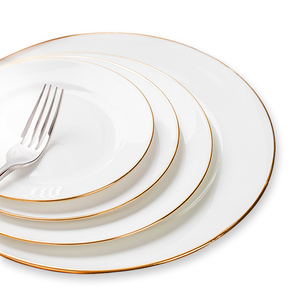
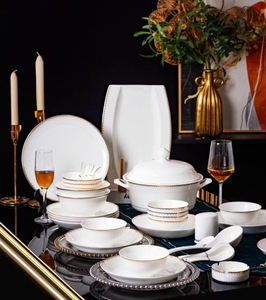
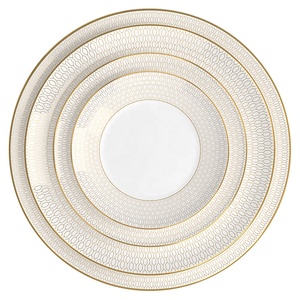
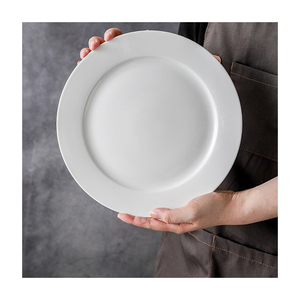
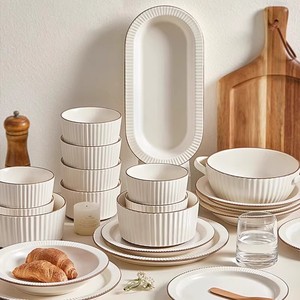
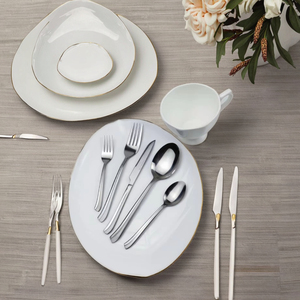
Quantifiable engineering parameters driving chip resistance, heat capacity, and commercial longevity for international procurement directors.
Steak serving places unique structural demands on ceramic dinnerware. From 250°C salamander broilers to instant knife impact and high-temperature sanitizing tunnels, commercial failure is driven by thermal expansion mismatches and micro-fracturing.
Commercial steak plates are frequently subjected to severe thermal gradients—such as moving from hot salamander broilers or warming pass drawers directly to cool ambient plating tables. Premium Chinese factories utilize kaolin enriched with high-alumina phase transformation mullite matrixes, allowing thermal differential tolerance of ΔT ≥ 180°C without micro-crazing or structural fracture.
High-carbon steak knives with serrated edges exert localized pressure up to 450 MPa. Cheap glazes suffer from grey metal marking (cutlery scuffing) due to softer glaze silica bonds. Our high-fired quartz glazes incorporate zirconium silicates, creating an impenetrable vitreous surface rating Mohs 7.5 that prevents grey streaking and surface dulling.
Edge chipping accounts for up to 70% of tableware replacement costs in high-turnover dining facilities. Engineered steak plates utilize rolled-edge contours and high-density ISO-static pressing technology. Body compaction reduces air porosity to virtually 0%, ensuring impact resistance up to 0.45 Joules along critical rim perimeters.
A detailed technical comparison to help hotel purchasing teams and restaurant groups balance aesthetic luxury against operational longevity.
| Material Category | Density & Body Formula | Heat Capacity & Retention | Cutlery Scratch Resistance | Chip Resistance Index | Ideal Hospitality Application |
|---|---|---|---|---|---|
| High-Alumina Vitrified Porcelain | Kaolin + 18-24% Al2O3 (1320°C Fired) | Moderate Heat Lock (High Mass) | Excellent (Mohs 7.5) | Superior (Rolled Rim) | High-Volume Steakhouses, All-Day Dining |
| Fine Bone China | 42%+ Tricalcium Phosphate (Bone Ash) | Low Heat Loss (Lightweight) | Very High (Glazed Feldspar) | High Structural Flex Strength | Fine Dining, Signature Filet Mignon, Luxury Hotels |
| Commercial Stoneware | Secondary Clays + Quartz (1200°C) | Maximal Sizzle Retention | Good (Matte/Reactive Glaze) | Moderate (Thicker Edges) | Rustic Grill Houses, Sizzle Plate Presentations |
| Standard Soft Ceramic / Earthenware | Ball Clay + Talc (1050°C Fired) | Poor (High Porosity >3%) | Poor (Prone to Metal Scuffs) | Poor (High Breakage Rate) | Residential Only (Unsuited for Commercial) |
Key shifts shaping global hospitality purchasing, sustainable factory manufacturing in China, and sensory table presentation.
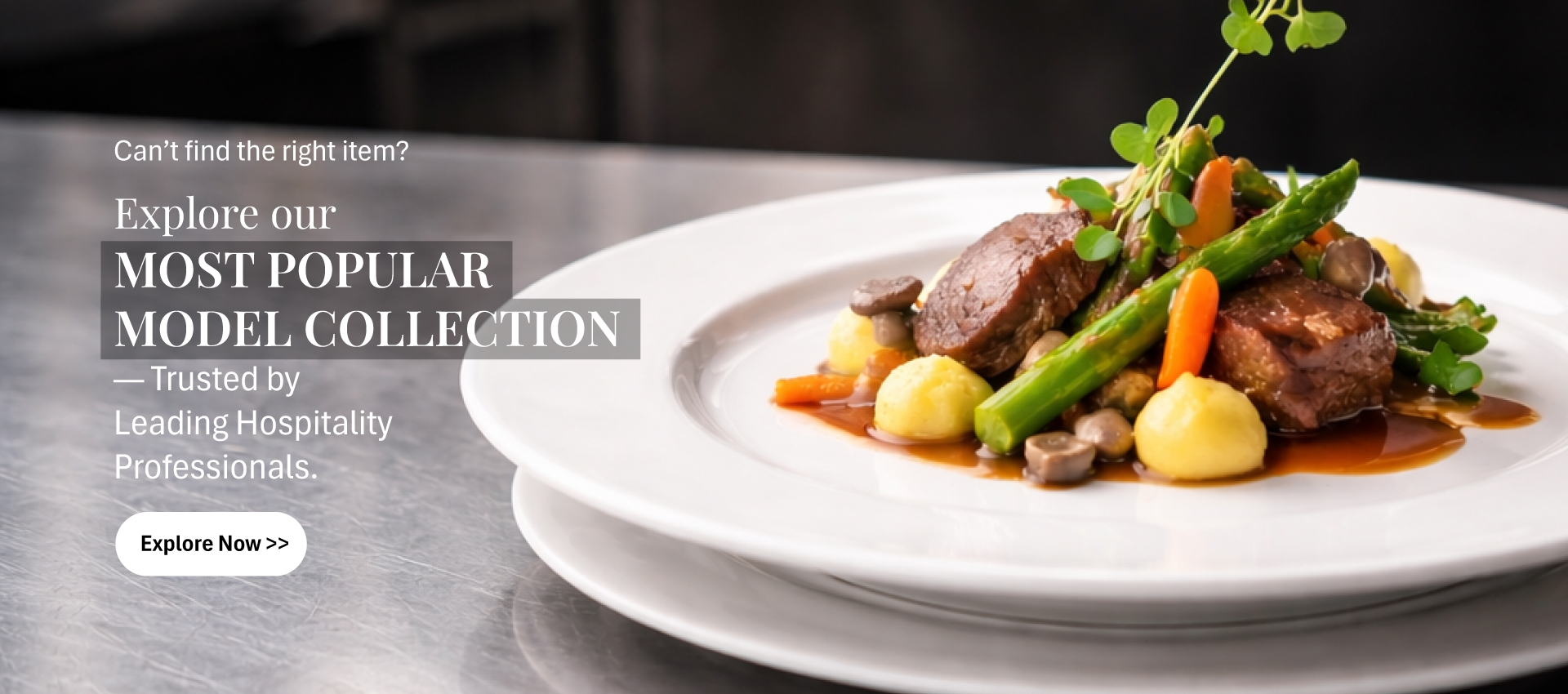
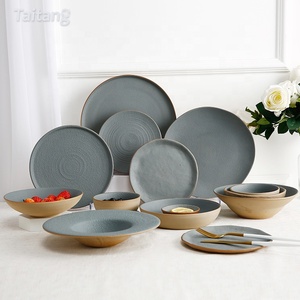
Modern steakhouses are pivoting away from ultra-glossy plain white round plates toward tactile, satin-matte textures inspired by natural basalt, slate, and volcanic stone. Advanced Chinese glaze chemistry now integrates non-porous matte micro-crystallization, offering the aesthetic appeal of raw stone with the hygienic, non-absorbent properties of fully vitrified porcelain.
Culinary presentation now emphasizes resting juice management. Custom OEM steak plates are increasingly specified with subtle perimeter channels (juice grooves) and slanted center wells. This prevents meat juices from saturating crisp side garnishes or breaking delicate compound butter sauces while maintaining clean plate aesthetics.
Environmental, Social, and Governance (ESG) criteria are driving procurement decisions for international hotel groups (Marriott, Hilton, IHG). Leading OEM factories in Chaozhou and Jingdezhen are adopting natural gas heat recovery kilns, closed-loop water filtration, and reclaimed body clay systems to lower product carbon footprint by up to 35%.
Bridging the gap between heavy iron sizzling platters and fine china, next-generation ceramic-iron composites allow high heat pre-heating up to 300°C while offering lightweight handling and dishwasher safe cleaning without rust maintenance.
Combining generations of ceramic technique with automated German high-pressure casting and precision firing control.
Complete control over body batching using premium refined kaolin, quartz powder, and feldspar. Guaranteed consistency in body whiteness, density, and thermal contraction across multi-year re-order cycles.
From initial CAD concept drawing to 3D printed resin model and working gypsum mold in as little as 7 days. Accelerate custom shape development for new restaurant openings and brand revamps.
100% compliance with FDA, EU 84/500/EEC, California Proposition 65, and LFGB food contact standards. Every production lot undergoes thermal shock testing, edge impact testing, and metal release lab audits.
Essential information for wholesale importers, hospitality procurement managers, and hotel equipment distributors.
Consult directly with our engineering sales team to request physical samples, factory audit reports, custom CAD renderings, and competitive volume price quotes.