
Engineered for extreme wear resistance, low thermal expansion, and commercial hospitality demands.
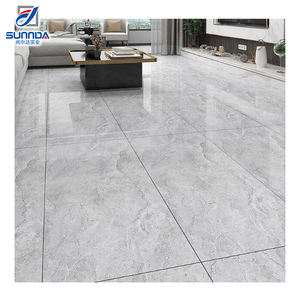
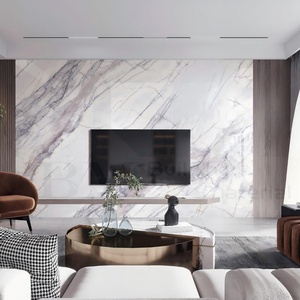
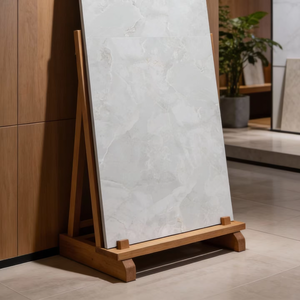
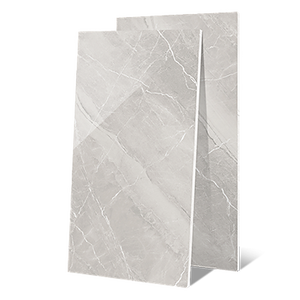
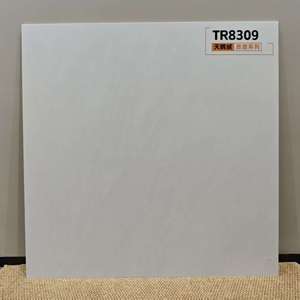
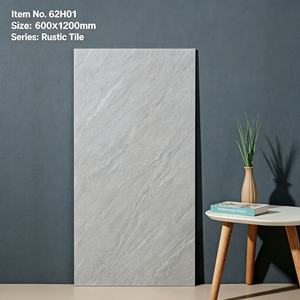
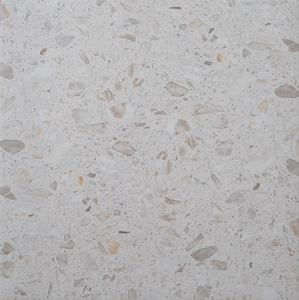
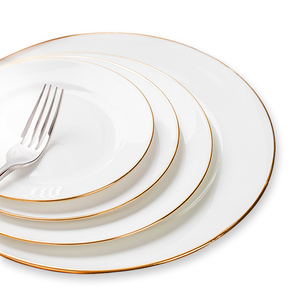
Evaluating durability, thermal resistance, and Total Cost of Ownership (TCO) in B2B ceramic procurement.
In high-turnover hospitality environments, commercial catering, and modern architectural installations, porcelain durability is defined by physical vitrification. Unlike standard earthenware or soft ceramics, tier-1 Chinese porcelain factories utilize refined kaolin clay combined with precise ratios of feldspar and quartz. When subjected to continuous tunnel-kiln temperatures exceeding 1,300°C (2,372°F), the raw minerals undergo total phase transformation into a needle-like mullite crystal matrix suspended within a dense silica glass structure.
This molecular density guarantees a water absorption rate under 0.5% (frequently reaching <0.05% in premium commercial floor tiles and hotel tableware), eliminating micro-porosity. For global hotel procurement officers, venue managers, and architectural contractors, this translates into zero liquid penetration, superior stain resistance, absolute frost-proofing, and immunity to bacterial harborage—fulfilling ISO 6486 safety criteria for food contact and heavy-footfall building standards.
The true cost of commercial porcelain lies in its operational replacement rate. A lower initial purchase price often conceals high long-term expenditure caused by edge chipping, glaze scratching, and thermal shock failure. Top-tier Chinese manufacturers employ high-pressure isometric pressing and automated rim reinforcement profiles to mitigate mechanical shock.
Glaze formulation represents another crucial technical differentiator. By integrating micro-particulate zirconium silicate and specialized alumina, lead-free in-glaze and under-glaze coatings achieve high Mohs hardness ratings (typically 7+). This prevents micro-scratching caused by commercial steel cutlery, high-acid sanitizers, and industrial conveyor dishwashers operating under continuous 85°C thermal sanitizing cycles.
Comprehensive technical comparison for hospitality procurement directors and project architects.
| Performance Metric | High-Alumina Vitrified Porcelain | Fine Executive Bone China | Full-Body Sintered Porcelain |
|---|---|---|---|
| Primary Composition | Kaolin, Feldspar, Quartz (Alumina > 30%) | Bone Ash (40-45%), Kaolin, Cornish Stone | Refined Minerals, Clay, Natural Oxides |
| Firing Temperature | 1,300°C – 1,350°C (Single/Double Fired) | 1,220°C (Bisque) / 1,150°C (Glost) | 1,250°C – 1,280°C (Press Tonnage > 30,000t) |
| Water Absorption Rate | < 0.1% (Vitrified) | < 0.3% (Semi-Translucent) | < 0.02% (Impervious) |
| Mechanical Edge Strength | Exceptionally High (Reinforced Rim Option) | Moderate to High (High Tensile Flexure) | Ultra-High Impact Resistance |
| Thermal Shock Resistance | Delta T up to 200°C (Oven-to-Table Safe) | Delta T 140°C | Delta T 250°C (Direct Flame/Heat Safe) |
| Target Operational Environment | High-Turnover Buffets, Banquets, Hotels | Fine Dining, Executive Suites, VIP Catering | Heavy Traffic Floors, Facades, Wet Areas |
Key strategic shifts reshaping wholesale commercial porcelain sourcing from 2026 to 2030.
Global hospitality brands and international project developers are enforcing stringent Scope 3 carbon compliance. Leading Chinese OEM factories are rapidly transitioning to continuous hydrogen-blend combustion kilns, heat recovery recirculation loops, and micro-grid solar generation to cut carbon footprints by up to 40% per ton of finished product.
Post-pandemic commercial standards demand self-sanitizing surfaces. Modern glaze chemistry incorporates photo-catalytic titanium dioxide (TiO₂) and silver ion (Ag+) micro-additives. These non-leaching additives eliminate 99.9% of surface bacteria under normal ambient light, conforming to ISO 27447 standards without impairing aesthetic high-gloss finishes.
Architectural ceramic tiles and commercial serving platters are moving toward ultra-thin (3mm to 6mm) yet ultra-strong body profiles. By utilizing ultra-high tonnage presses (exceeding 36,000 tons), Chinese suppliers produce lightweight slab tiles and dinnerware that lower global freight costs by 25% while maintaining supreme fracture toughness.
How Chinese factories are blending traditional craftsmanship with advanced digital manufacturing.
B2B buyers are pivoting away from ultra-smooth monochrome glazes toward organic, tactile textures. Specialized dry-grain glazing techniques allow factories to replicate raw basalt, slate, sand, and fine linen textures while maintaining a non-porous, dishwasher-safe surface suitable for modern culinary presentations and interior design schemes.
Historically, luxury bone china featuring gold or platinum rim banding could not be microwave-heated due to metallic arcing. R&D breakthroughs in inert precious-metal alloy encapsulations now allow high-end hotel tableware to offer luxury gold accents that remain 100% microwave-safe and chemically resilient against commercial detergents.
Back-of-house storage space is a critical constraint for banqueting halls and cruise lines. Product development teams are engineering interlocking rim structures and footed bases that maximize vertical stack stability, reduce storage footprint by 30%, and prevent glaze abrasion during rapid stacking operations.
Vertical integration, rigorous quality control, and custom OEM/ODM program support.
From raw kaolin clay mining and magnetic slurry purification to automated pressure casting, high-temperature firing, and in-house decal printing, top-tier Chinese porcelain facilities control every manufacturing variable. This end-to-end integration guarantees batch-to-batch whiteness consistency, strict dimensional tolerances, and dependable re-order matching over multi-year project lifecycles.
Leveraging 3D digital modeling and fast-turnaround CNC master molds, custom shape prototypes can be produced within 7 to 10 days. In-house ceramic design teams collaborate directly with hotel brands and architectural teams to formulate proprietary glazes, custom backstamps, and tailored rim geometries engineered to specific project requirements.
Essential insights for international buyers, importers, and project procurement teams.
Request complete product specifications, OEM customization details, and wholesale factory pricing directly from our technical team.