PATRA  |  Porcelain & Bone China Tableware Manufacturer since 1982 — Bangkok, Thailand

China Best Restaurant Porcelain Manufacturers & Suppliers

Engineered Vitrified Ceramic & Bone China Tableware for Global Commercial Hospitality Procurement
Factory Direct Catalog

High-Performance Commercial Tableware Series

Precision-engineered porcelain and fine bone china curated for heavy-use hotel, banquet, and restaurant environments.
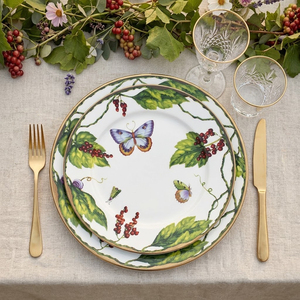
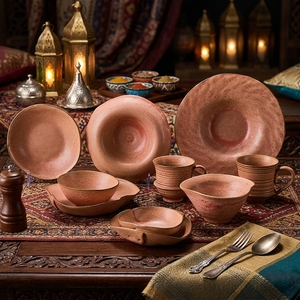
Vintage Butterfly Floral Bone China Dinnerware Set

Vintage Butterfly Floral Bone China Dinnerware Set Garden Green Leaf Charger Plate & Coffee Cup

Inquire Now
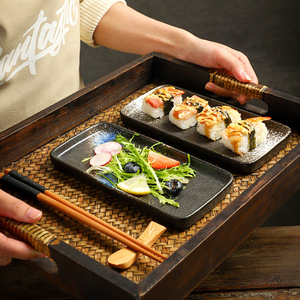
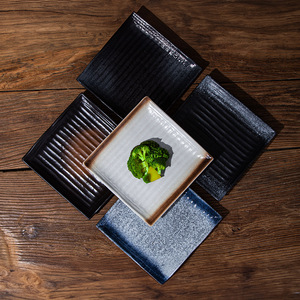
Square Shaped Ceramic Steak Plate Restaurant Tableware

Square Shaped Ceramic Steak Plate Restaurant Tableware Porcelain Sushi Sashimi Retro Appetizer Dish

Inquire Now
Wholesale Rectangle Ceramic Porcelain Flat Bottomed Dinner Plate

Wholesale Rectangle Ceramic Porcelain Flat Bottomed Dinner Plate Sushi Plates Serving Tray

Inquire Now
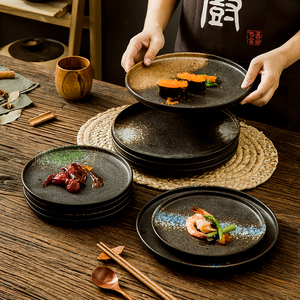
Wholesale Black Porcelain Ceramic White and Black Plate Matte Crockery

Wholesale Black Porcelain Ceramic White and Black Plate Matte Crockery Dinnerware Set

Inquire Now
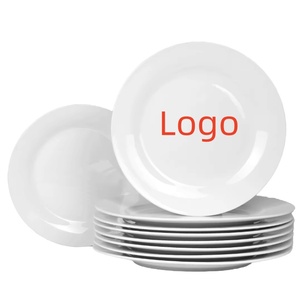
Modern Eco-Friendly Flat Ceramic Porcelain Dinner Plates 10.5 Inch

Wholesale Modern Eco-Friendly Flat Ceramic Porcelain Dinner Plates 10.5 Inch Pure White OEM Set

Inquire Now
ST Porcelain Minimalist Classic Tableware Serving Rice Bowl

ST Porcelain Minimalist Classic Tableware Serving Rice Bowl Creative Ceramic Dinnerware Set

Inquire Now
Black Porcelain Dinnerware Sets Ceramic Tableware Set Matte

Black Porcelain Dinnerware Sets Ceramic Tableware Set, Matte Ceramic Dinner Set for Catering

Inquire Now
Modern Ceramic Porcelain Bone China Dishes Plates Sets BPA Free

Modern Ceramic Porcelain Bone China Dishes Plates Sets Dishwasher Safe for Hospitality

Inquire Now
1,320°C
High Firing Vitrification
< 0.1%
Water Absorption Rate
40+
Global Export Markets
100%
Commercial Dishwasher Safe
Manufacturing Excellence

Why Global Hospitality Buyers Choose Our Porcelain

Combining heritage craftsmanship established since 1982 with automated precision engineering to supply leading star-rated hotel groups, banquet operators, and airline caterers worldwide.

Vertically Integrated Production

From micro-milling raw kaolin clay, feldspar, and quartz to automated body slip-casting and in-house decal firing, complete quality control guarantees batch-to-batch color match and dimensional stability.

Reinforced Edge Durability

Specially formulated with high-alumina ceramic matrices and rolled-edge geometry, our commercial porcelain yields up to 300% higher impact resistance compared to standard retail tableware.

High-Density Stacking Logic

Precision bottom foot-grinding and stack-engineered coupe/rim profiles reduce storage footprint back-of-house while protecting against surface glaze scratching during rapid service clear-downs.

Custom In-Glaze Branding

State-of-the-art ceramic printing studio capable of executing complex OEM/ODM patterns, metallic precious-gold banding, and high-durability in-glaze logo applications resistant to chemical dishwashing agents.

Thermal Hysteresis & Safety

Tested under rigorous ISO 6486 and EN 1183 thermal shock standards, our vitrified bodies withstand sudden thermal fluctuations from frozen food prep to high-heat commercial salamanders (+220°C to -20°C).

Sustainable Clean Manufacturing

Utilizing clean natural-gas tunnel kilns, heat recovery systems, and recycled ceramic body slurries to lower carbon footprint while strictly adhering to global environmental standards.

Executive Whitepaper: Strategic Procurement of Commercial Porcelain & Fine Bone China

In the modern commercial hospitality sector—encompassing Michelin-starred fine dining establishments, high-volume luxury hotel banquets, corporate airline catering, and cruise ship F&B operations—tableware is far more than a passive vessel for food presentation. It represents a critical operational asset that directly impacts brand perception, guest satisfaction, menu pricing power, and long-term Total Cost of Ownership (TCO).

As leading China restaurant porcelain manufacturers and global suppliers, our engineering teams combine ceramic material science with practical culinary ergonomics. This comprehensive industry report evaluates modern manufacturing standards, material compositions, emerging design trends, and strategic procurement frameworks for international buyers.

1. Material Science Matrix: Vitrified Porcelain vs. Fine Bone China vs. Alumina-Reinforced Ceramics

Navigating commercial tableware specification requires an understanding of raw material physics and high-temperature mineral phase transitions. Below is an technical comparison matrix governing commercial-grade ceramic bodies:

Performance Metric Vitrified Hotel Porcelain Fine Bone China (>43% Bone Ash) Alumina-Reinforced Porcelain
Raw Material Formulation Kaolin (50%), Quartz (25%), Feldspar (25%) Tricalcium Phosphate (Bone Ash), Kaolin, Petuntse High-Purity Kaolin + 15-30% Aluminum Oxide (Al₂O₃)
Firing Temperature 1,300°C – 1,350°C (Single/Bisque+Glaze) 1,220°C (Bisque) / 1,150°C (Glaze Firing) 1,320°C – 1,380°C (High Density)
Water Absorption (ISO 6486) < 0.1% (Non-porous, Zero bacteria trap) < 0.05% (Vitrified, Ultra-hygienic) < 0.05% (Impermeable core)
Modulus of Rupture (Flexural Strength) 140 - 160 MPa 170 - 200 MPa (Surprising Tensile Toughness) 200 - 240 MPa (Extreme Mechanical Impact Resistance)
Color & Translucency Crisp Neutral White, Opaque Warm Ivory White, High Translucency Bright Soft White, Opaque to Semi-Translucent
Primary Commercial Application All-Day Dining, Buffets, Heavy Banquet Service Fine Dining, Executive Suites, VIP Weddings High-Turnover Bistro, High-Volume Institutional Catering

2. Future Procurement Trends in Hospitality Porcelain (2025–2030)

International procurement directors are shifting from short-sighted initial purchase price evaluations toward holistic lifecycle costing models. Key industry shifts include:

  • Textured & Reactive Earthy Glazes: While pristine pure white porcelain remains the foundational standard for classic hotel service, modern culinary presentations demand organic, matte black, basalt grey, and reactive satin finishes. Advanced in-glaze technology ensures these textured surfaces do not mark from stainless steel cutlery (cutlery marking resistance).
  • Lightweight High-Strength Coupes: Executive chefs favor expansive flat coupe styling with low-profile rims. However, large flat plates are historically prone to warping during firing. Leading Chinese manufacturers now utilize high-pressure isostatic pressing combined with diamond-level planar polishing to guarantee perfectly level service surfaces.
  • Modular Multi-Function Table Systems: Hospitality operations are streamlining SKU diversity. Plates designed to double as bowl covers, stackable bento-style ceramic inserts, and multi-use sauce wells reduce inventory holding costs while maximizing banquet layout flexibility.
  • Eco-Responsible Sourcing Compliance: Global hotel brands (such as Marriott, Hilton, and IHG) increasingly mandate audited ESG credentials. Premium suppliers utilize closed-loop water filtration, heat recovery from tunnel kilns, zero-lead glaze formulations, and 100% recyclable cardboard packaging.

3. Technological Advances in Chinese Porcelain Manufacturing

China's ceramic manufacturing sector has undergone a massive technological transformation. Traditional labor-intensive pottery methods have been replaced by state-of-the-art automated manufacturing infrastructure:

  1. Automated Isostatic Pressing: Dry ceramic powder is subjected to ultra-high omnidirectional hydraulic pressure (over 300 bar). This process eliminates microscopic air pockets, ensuring zero structural tension, consistent wall thickness, and precise physical dimensions across millions of units.
  2. Computer-Controlled Tunnel Kilns: Precision multi-zone temperature monitoring guarantees consistent thermal profiles throughout the 18 to 24-hour firing cycle. This prevents color shifting, glaze pin-holing, or structural sagging.
  3. Robotic Glazing & Edge Spraying: Dual-arm robotic cells apply a uniform glaze thickness (0.15mm – 0.20mm). Uniform glaze coverage eliminates thin edges where chipping usually begins.
  4. High-Durability In-Glaze Decal Firing: Logos and intricate decorative artwork are fired at 1,200°C, causing the protective clear glaze to melt over the pigment. This seals the design underneath a glass-hard shield that is impervious to caustic dishwasher detergents.

4. Total Cost of Ownership (TCO) & Replacement Reduction Strategy

In high-turnover restaurant environments, annual porcelain breakage rates can range from 15% to as high as 45% if residential-grade or poorly vitrified ware is specified. Specifying commercial-grade vitrified porcelain yields dramatic long-term savings:

TCO Formula = Initial Unit Cost + (Annual Breakage Rate × Replenishment Unit Cost) - Operational Downtime Costs

By enforcing a minimum Rolled-Edge Profile on high-impact rim lines and requiring Alumina-Reinforced Bodies, commercial buyers typically reduce annual attrition down to below 5-8%, saving tens of thousands of dollars across multi-property installations.

Procurement Support

Frequently Asked Questions by Commercial Buyers

Everything you need to know about sourcing direct from top China restaurant porcelain manufacturers.

What is the structural difference between hotel-grade vitrified porcelain and domestic retail dinnerware?
Hotel-grade porcelain is formulated with refined kaolin clay and higher quartz/feldspar ratios fired at temperatures exceeding 1,300°C. This vitrification process fuses the ceramic body into a non-porous glass-like structure with water absorption under 0.1%. Additionally, commercial porcelain features reinforced rims, thicker wall sections, foot-polishing to prevent scratching when stacked, and glazes specifically engineered to withstand aggressive commercial dishwasher chemicals and thermal shock.
Are your black and colored matte glazes resistant to metal cutlery marking and chemical fading?
Yes. Our matte black and textured color glazes undergo high-temperature glaze-hardening cycles that achieve a Mohs hardness rating of 6.5 to 7. This prevents stainless steel cutlery from leaving grey metal deposits (cutlery marking) on the plate surface. Furthermore, all pigments are cadmium and lead-free (FDA & EU 84/500/EEC compliant) and will not etch or fade under commercial dishwashing conditions.
Can we request custom shape development and private-label logo placement for hotel projects?
Absolutely. We offer complete OEM/ODM capabilities. Our in-house design studio creates 3D CAD models and fast-turnaround resin prototypes. Custom logos can be applied using on-glaze, in-glaze, or under-glaze decal techniques, as well as custom gold, platinum, or metallic rim paint banding. Pre-production physical ceramic samples are supplied for client approval before mass production.
What are your typical Minimum Order Quantities (MOQ) and production lead times for export orders?
For standard white ware items kept in stock, MOQs start as low as 500 pieces per SKU. For custom shapes, specialized reactive glazes, or private-label decals, standard MOQs are typically 1,000 to 3,000 pieces per item. Standard manufacturing lead time is 30 to 45 days after deposit and sample confirmation, with express sea-freight packaging ready for global export destinations.
How do you guarantee product safety against international heavy metal migration standards?
All production runs undergo batch testing certified by independent third-party laboratories (SGS, TUV, Intertek). We comply fully with US FDA CPG 7117.06/07 for lead and cadmium leachability, California Proposition 65, European Regulation EC No 1935/2004, and LFGB food safety guidelines.

Partner with China's Premier Porcelain Manufacturer

Consult with our ceramic engineering team, request custom 3D shape samples, or receive factory-direct wholesale pricing for your hospitality projects.

Inquire Now