
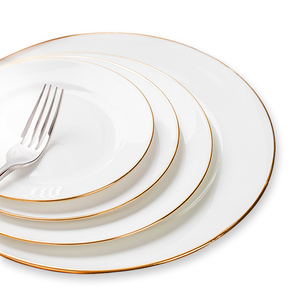
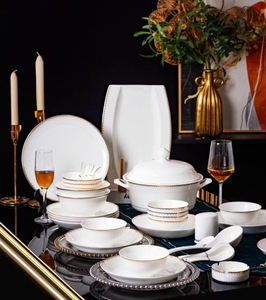
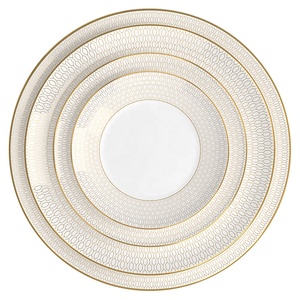
When global procurement directors, hotel F&B managers, and commercial tableware importers evaluate Chinese manufacturing options for cereal bowls and related ceramic hollowware, they navigate a complex matrix of material formulations, thermal performance metrics, and factory certifications. China remains the undisputed global hub for ceramic and bone china manufacturing, leveraging centuries of technical mastery alongside modern, automated pressure-casting and tunnel kiln technology.
However, securing high-performing cereal bowls requires more than evaluating superficial surface aesthetics. Commercial cereal bowls in hotel breakfast buffets, institutional dining, and high-turnover restaurant chains undergo intensive mechanical strain. They are subjected to rapid thermal cycling, aggressive chemical detergents in commercial dishwashers, high-impact stacking back-of-house, and frequent cutlery contact. As a specialized OEM exporter, our manufacturing standard focuses on maximizing Modulus of Rupture (MOR) and eliminating micro-porosity through precise vitrification.
Information Gain Benchmark: True commercial-grade ceramic cereal bowls differ fundamentally from retail consumer ceramics. While retail items prioritize cost-reduction via low-temperature earthenware firings (1000°C–1150°C), commercial hospitality cereal bowls demand high-alumina porcelain or bone china formulations fired above 1300°C to achieve complete vitrification and zero liquid absorption.
A major friction point for B2B buyers is selecting the correct ceramic substrate based on operational context. The table below illustrates the material characteristics engineered across our Chinese manufacturing facilities:
| Material Category | Firing Temperature | Water Absorption | Edge-Chip Resistance | Best Commercial Application |
|---|---|---|---|---|
| Vitrified High-Alumina Porcelain | 1320°C – 1350°C | < 0.05% | Extreme (Reinforced Rim) | High-turnover banquets, hotel buffets, all-day dining outlets |
| Fine Bone China (45%+ Bone Ash) | 1250°C – 1280°C | < 0.02% | High Flexural Strength | Luxury hotel dining, executive lounges, signature à la carte |
| Commercial Stoneware / Celadon | 1200°C – 1250°C | < 0.5% | Moderate to High | Artisanal concept restaurants, rustic cafe chains, boutique hotels |
1. Vitrified High-Alumina Porcelain Bowls: Formulated by enriching standard kaolin clay with 15%–20% aluminum oxide ($Al_2O_3$). This increases the density of the ceramic matrix post-firing, creating a glass-like structure that resists structural fractures under intense thermal shock (transfers from cold refrigeration directly to steam heating up to 180°C variance).
2. Fine Bone China Cereal Bowls: Incorporating synthesized or natural tri-calcium phosphate (bone ash), bone china yields high translucency, lightweight ergonomics, and an exquisite ivory whiteness. Beyond its elegant aesthetic, bone china exhibits exceptional flexural strength, allowing thinner wall profiles while maintaining resistance against edge chipping under commercial handling.
3. Lead & Cadmium Glaze Integrity: All export products undergo high-fire in-glaze or under-glaze decoration. Precious metal accents (such as real gold or platinum rims) are treated with specialized protective overglaze formulations compliant with U.S. FDA Compliance Policy Guides (CPG 7117.06/07) and European Regulation (EC) No 1935/2004.
Utilizes ultra-high hydraulic pressure to ensure consistent body density, perfectly uniform rim thickness, and precise dimensional tolerance across every single bowl produced.
Computerized temperature monitoring across 100-meter tunnel kilns maintains pinpoint thermal stability, preventing micro-warping and ensuring 100% stackability accuracy.
Engineered silica glazes reach Mohs Hardness 7+, protecting bowls against black metal marking caused by commercial stainless steel cutlery over long-term service.
As global supply chains place greater emphasis on sustainability, total cost of ownership (TCO), and operational versatility, commercial tableware procurement is shifting significantly. B2B buyers must align their procurement strategies with these core emerging trends:
Space optimization back-of-house is critical for modern commercial kitchens. Future-ready cereal bowl designs feature engineered base footings that interlock seamlessly into stacked columns without putting pressure on the outer rims. This structural design reduces breakage during transport and storage by up to 35% compared to traditional non-stackable bowl contours.
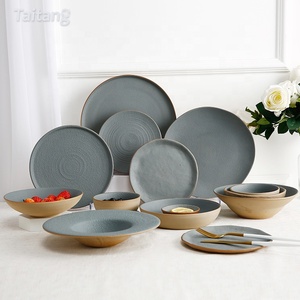
While classic brilliant white bone china remains the gold standard for formal dining, hospitality buyers are increasingly requesting matte finishes, reactive glazes, and celadon tones. Modern Chinese factories have mastered multi-layered glaze application, achieving hand-crafted artisan visuals at scale while maintaining full commercial dishwasher durability.
Leading Chinese exporters are upgrading to natural gas, electric heat recovery kilns, and zero-waste water recycling systems. Sourcing from sustainable green factories allows global importers to meet strict ESG metrics and lower carbon footprints throughout their supply chains.
Partnering directly with our Chinese factory facility provides global distributors and hotel chains with complete end-to-end support. We bridge the gap between traditional ceramic craftsmanship and modern industrial efficiency:
Connect with our expert technical export team today to request product catalogs, sample kits, or factory-direct pricing quotes tailored to your procurement requirements.