
High-temperature vitrified porcelain and bone china tableware engineered for commercial durability, thermal stability, and non-toxic food-contact safety compliance.
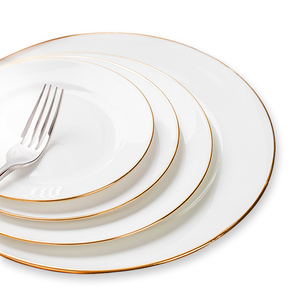
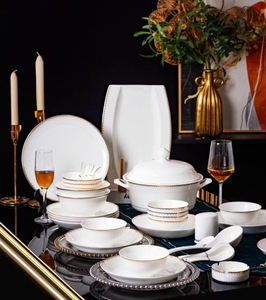
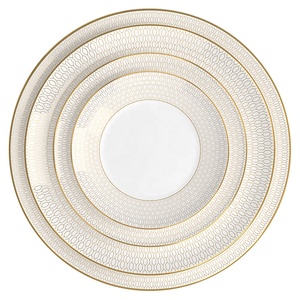
For international procurement directors, hotel group supply officers, and luxury tabletop distributors, sourcing commercial-grade teapots involves far more than aesthetic selection. A commercial teapot subjected to high-turnover hospitality environments—such as banquets, executive lounges, fine dining tea services, and room service carts—must balance structural ergonomics with strict chemical safety protocols.
The CE Certification mark on ceramic teapots and tableware serves as a vital signal of compliance with European Union directives regarding material safety, heavy metal migration, and environmental durability. Under EU Regulation (EC) No 1935/2004 and Directive 84/500/EEC (amended by 2005/31/EC), ceramic food contact materials must demonstrate non-detectable or strictly controlled migration limits for Lead (Pb) and Cadmium (Cd).
Our high-temperature glazes ensure lead migration remains under 0.1 mg/L and cadmium under 0.01 mg/L, exceeding EU standards.
Engineered to withstand instant temperature deltas ($\Delta T$) up to 180°C without micro-cracking, crazing, or handle fatigue.
Water absorption rate below 0.2%, preventing internal moisture retention, bacterial growth, and glaze chipping in dishwashers.
When specifying teapots for commercial procurement, factories must provide verified laboratory test reports using atomic absorption spectroscopy (AAS) or inductively coupled plasma mass spectrometry (ICP-MS) verification. Certified facilities ensure that both white ware bodies and precious-metal rim decorations (such as 24K gold gilding or platinum banding) utilize fully encapsulated in-glaze or under-glaze application methods.
Selecting the optimal material matrix for commercial tea service requires understanding the physical, chemical, and aesthetic tradeoffs between high-fired hard porcelain and fine bone china bodies.
| Performance Parameter | Hard Vitrified Porcelain | Fine Bone China | Standard Commercial Stoneware |
|---|---|---|---|
| Firing Temperature | 1,300°C – 1,380°C | 1,220°C – 1,280°C | 1,100°C – 1,200°C |
| Body Composition | 50% Kaolin, 25% Quartz, 25% Feldspar | 40%+ Tri-Calcium Phosphate (Bone Ash) | Ball Clay, Silica, Fluxing Materials |
| Water Absorption | < 0.1% (Fully Vitrified) | < 0.2% (Translucent Vitrified) | 1.0% – 3.0% (Semi-Vitrified) |
| Impact & Chip Resistance | Exceptional (High Mechanical Density) | High Tensile Strength (Thinner Wall) | Moderate (Susceptible to Rim Chipping) |
| Translucency & Whiteness | Cool Blue-White Tint | Warm Ivory, Radiant Translucency | Opaque Off-White / Colored Glazes |
| Commercial Suitability | Banquet, Buffet, High-Turnover Bistro | Fine Dining, VIP Suites, Afternoon Tea | Casual Cafes, Rustic Presentation |
| Dishwasher Cycle Life | 5,000+ Cycles (Commercial Grade) | 3,000+ Cycles (Precious Decor Care) | 1,000–1,500 Cycles |
The global commercial teaware manufacturing sector is undergoing a rapid technological evolution. Driven by strict international environmental regulations, rising energy costs, and elevated end-user expectations in luxury hospitality, factories are re-engineering traditional ceramic processes.
Traditional slip-casting methods for holloware teapots often suffered from wall thickness variance, leading to uneven thermal stress and premature cracking. Modern certified manufacturers utilize automated pressure slip-casting systems under controlled pneumatic pressure (up to 40 bar). This achieves uniform density across complex geometries, including spout joints, handle attachment points, and lid retention notches.
A persistent operational flaw in lower-grade commercial teapots is post-pour liquid dripping onto tablecloths or guest attire. Advanced factory R&D teams now employ fluid dynamics simulations to sculpt the precise exit angle and sharp edge radius of the spout tip. Combined with internal micro-strainers formed during casting, this eliminates liquid cling and ensures a clean, controlled pour flow.
Aligning with ESG criteria, premier European and Asian ceramic factories have transitioned to natural gas-fired continuous tunnel kilns equipped with high-efficiency recuperative burners. Waste heat from the cooling zone (up to 800°C) is diverted to raw material spray-dryers and mold conditioning chambers, reducing total carbon emissions per unit by 32% compared to batch kilns.
Hospitality buyers, procurement houses, and brand managers must anticipate key structural shifts in international tableware supply chains. Sourcing decisions made today will impact operational profitability and brand perception over a multi-year cycle.
Major hotel chains are prioritizing suppliers capable of incorporating up to 25% post-industrial recycled ceramic body waste (grog) back into raw body preparation, cutting landfill impact while maintaining structural vitrification.
Urban hospitality venues face constrained back-of-house storage. Procurement strategies favor teapot designs with recessed lid sockets and flat tops, allowing secure vertical stacking in dish racks and service carts.
Generic white ware is increasingly replaced by customized matte glazes, reactive glaze finishes, and crisp in-glaze logo applications that resist micro-scratches from heavy commercial dishwashing detergents.
Rooted in four decades of specialized ceramic manufacturing since 1982, our production operations combine traditional ceramic mastery with automated industrial rigor. Operating vertical integration from raw kaolin refining to decorative hand-gilding, we support international hospitality leaders across 40+ countries.
Our specialized decoration division formulates proprietary lead-free glaze decals, precious metal gold pastes (up to 24K formulation), and high-fire metallic bands in-house, ensuring 100% color matching accuracy across replenishment orders.
Every production lot undergoes stringent physical testing, including thermal shock cycling (200°C to 20°C water immersion), glaze hardness scratching tests (Mohs scale > 6), and 100% visual inspection for rim warpage and lid seating tolerance.
From initial 3D render and CAD concept to physical plaster mold and sample approval within 14 business days, allowing hotel project developers to launch signature tabletop collections on tight schedules.
Connect with our technical engineering team to request sample kits, review lab test documentation, or discuss custom OEM/ODM teaware manufacturing for your next hotel project.
Get a Quote