
CE Certified Vitrified Porcelain & Bone China Solutions for Hotels, Restaurants, and Banquets
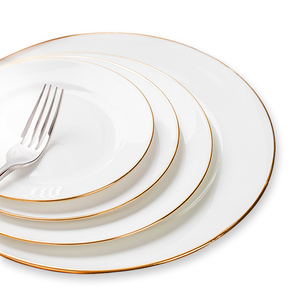
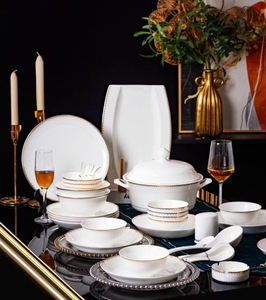
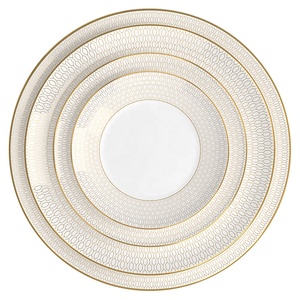
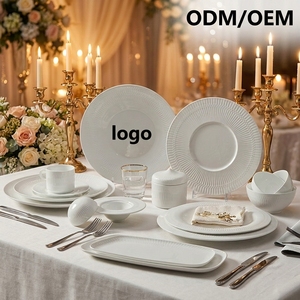
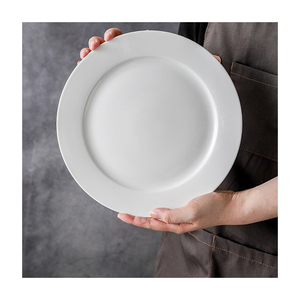
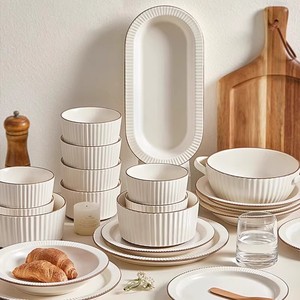
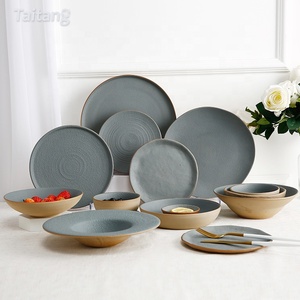
In global enterprise procurement across Europe, North America, and the Asia-Pacific region, specifying ceramic dinnerware requires rigorous compliance verification. Sourcing CE certified soup bowls from qualified manufacturers ensures that items used in high-turnover hospitality environments—such as star-rated hotels, airline catering, cruise lines, and banquet halls—strictly conform to international food contact safety directives.
The CE designation for ceramic tableware verifies adherence to mandatory European Union regulations regarding food contact materials (FCM), specifically EU Regulation (EC) No 1935/2004 and Directive 84/500/EEC (amended by 2005/31/EC). These standards govern the chemical migration limits of heavy metals, including lead (Pb) and cadmium (Cd), into liquid and acidic foodstuffs served at elevated temperatures.
"For commercial F&B operations, choosing CE certified soup bowls is not merely a legal safety precaution—it protects brand reputation and prevents premature operational losses caused by glaze degradation, chemical leaching, or thermal fracture under extreme commercial washing."
When commercial soup bowls hold hot liquids (such as broths, bisques, and consommés ranging from 80°C to 100°C), lower-grade glazes can undergo micro-cracking (crazing) and release trace toxins. Certified OEM factories utilize specialized high-fire formulation techniques to bond the glaze matrix fused at temperatures exceeding 1,300°C. This eliminates surface microporosity and renders the ceramic body completely inert.
Strictly compliant with ISO 6486-1 and EU Directive 2005/31/EC limits (Pb < 0.1 mg/L, Cd < 0.01 mg/L), tested under 4% acetic acid immersion for 24 hours at 22°C.
Reinforced rim architecture engineered to resist mechanical chipping. Manufactured with high-alumina clay bodies tested under ASTM C368 pendulum impact parameters.
Vitrified structures survive sudden temperature shifts from freezer (-18°C) to salamander/oven reheat (+160°C) without risk of structural cleavage (BS EN 1183 compliant).
B2B enterprise buyers face key choices when matching ceramic bodies to operational concepts. Understanding the chemical and physical differences between vitrified hotel porcelain and fine bone china is vital for optimizing total cost of ownership (TCO) and table presentation.
| Performance Metric | Vitrified Hotel Porcelain | Commercial Fine Bone China | Standard Stoneware |
|---|---|---|---|
| Firing Temperature | 1,320°C – 1,380°C (Dual Firing) | 1,220°C – 1,280°C (Glost Firing) | 1,100°C – 1,200°C |
| Bone Ash Content (Ca3(PO4)2) | 0% (High Alumina Addition) | ≥ 42% Tricalcium Phosphate | 0% |
| Water Absorption Rate | < 0.05% (Impermeable) | < 0.10% (Vitrified) | 1.0% – 3.0% (Porous) |
| Modulus of Rupture (Flexural Strength) | 180 – 220 MPa | 140 – 170 MPa | 80 – 110 MPa |
| Dishwasher Life Cycle Test (DIN EN 12875) | 5,000+ Wash Cycles | 3,500+ Wash Cycles | 500 – 1,000 Wash Cycles |
| Primary Hospitality Use Case | All-Day Dining, Buffet, Banqueting | Fine Dining, Executive Lounges, VIP VIP Suites | Casual Bistro, Artisanal Outlets |
Vitrified porcelain is formulated from refined kaolin clay, quartz, and feldspar. During high-temperature tunnel kiln firing at 1,320°C, the feldspar melts into a liquid glass matrix that fills all interstitial voids within the clay lattice. The resulting ceramic body features a water absorption rate under 0.05%, preventing moisture penetration, bacteria accumulation, and unpleasant odors. For soup service—where warm liquids remain in contact with the vessel over extended dining periods—this zero-porosity standard preserves thermal stability and ensures hygenic cleaning in commercial conveyor dishwashers.
Incorporating over 42% refined bone ash creates high-grade bone china, which delivers warm milky whiteness, delicate translucency, and lightweight refined rim profiles. Modern bone china soup bowls manufactured for hotel use feature specialized double-glazed protective layers. This allows executive chef presentation while retaining the structural integrity needed to withstand commercial warewashing chemicals.
Partnering with experienced soup bowl manufacturers (such as Thailand-based PATRA Porcelain, operating since 1982) gives B2B buyers access to automated ceramic production technology combined with strict batch quality control.
Raw ceramic spray-dried powder is compacted under automated hydraulic pressure up to 300 bar. This creates uniform greenware density, preventing warping during high-fire shrinkage.
Computerized dual-axis spray heads apply lead-free glazes at controlled thickness (0.18mm - 0.22mm). This prevents thin spots on rim edges and eliminates glaze pooling at bowl bases.
Custom logos, gold accents, and decorative artwork sink into the softened glaze layer during firing, sealing them under a protective shield that prevents fading from caustic detergents.
As hotel asset managers and independent restaurant groups optimize front-of-house operations, commercial soup bowl designs have evolved to meet new functional requirements:
Storage space constraints in modern back-of-house kitchens demand stack-safe soup bowl designs. Leading manufacturers engineer inter-locking foot rings and anti-suction side walls. This design prevents vacuum-jamming when wet bowls are nested together, speeding up plating efficiency during peak banquet service.
With room service, in-room dining, and luxury banquet service expanding globally, soup bowls equipped with matching ceramic or bone china lids (such as lidded soup pots) are increasingly specified. Ceramic lids reduce thermal loss by up to 40% over 15 minutes, preserving serving temperatures for premium broths without requiring electrical warming trays.
Modern dining trends favor organic shapes, celadon glazes, and matte-honed tactile finishes over plain polished white ware. Advanced factories now incorporate silver-ion micro-particles into the glaze matrix, adding an active antimicrobial shield that inhibits surface bacterial growth between wash cycles.
Essential Answers regarding CE Verification, OEM Customization, and Bulk Factory Orders
With four decades of specialized ceramic manufacturing based in Thailand, our facilities combine European tunnel kiln engineering with precise raw material purification. Serving hotel groups, airline catering services, and international distributors across more than 40 countries, our OEM production provides long-term batch consistency—ensuring that re-orders matched five years later maintain identical color temperature, weight, and stacking tolerances.
Speak directly with our technical ceramic engineering team. Access comprehensive compliance documentation, physical samples, and wholesale volume pricing for your upcoming hospitality projects.
Get a Quote