
Wholesale buyers need more than an attractive product photo when comparing bone china bowls with lids. They need dependable specifications, consistent finish, and packaging that can handle routine shipping. A Bone china bowl with lid may suit hotel breakfast service, premium gift sets, or homeware collections, but the right choice depends on its intended use. Capacity, lid fit, rim shape, and stackability all affect how the bowl performs after delivery.
This guide examines leading options for 2026 through practical sourcing criteria, not appearance alone. It considers material details, glaze quality, available sizes, customization, sample checks, and the clarity of supplier information. Ask for measurements and product samples before confirming a large order. Check whether lids sit evenly and whether bowls stack without rubbing. Small defects can become costly across a full carton. Details matter.
Wholesale pricing also deserves careful review. Compare the quoted unit cost with packing, minimum order quantities, lead times, and replacement terms. Supplier claims should be verified against written specifications and sample products; polished images are not enough. Some compromises may be necessary. A lighter bowl can lower shipping weight, yet may not match every buyer’s expectations for a substantial feel. The sections ahead help buyers weigh these trade-offs and shortlist products that fit their customers, budget, and quality standards.
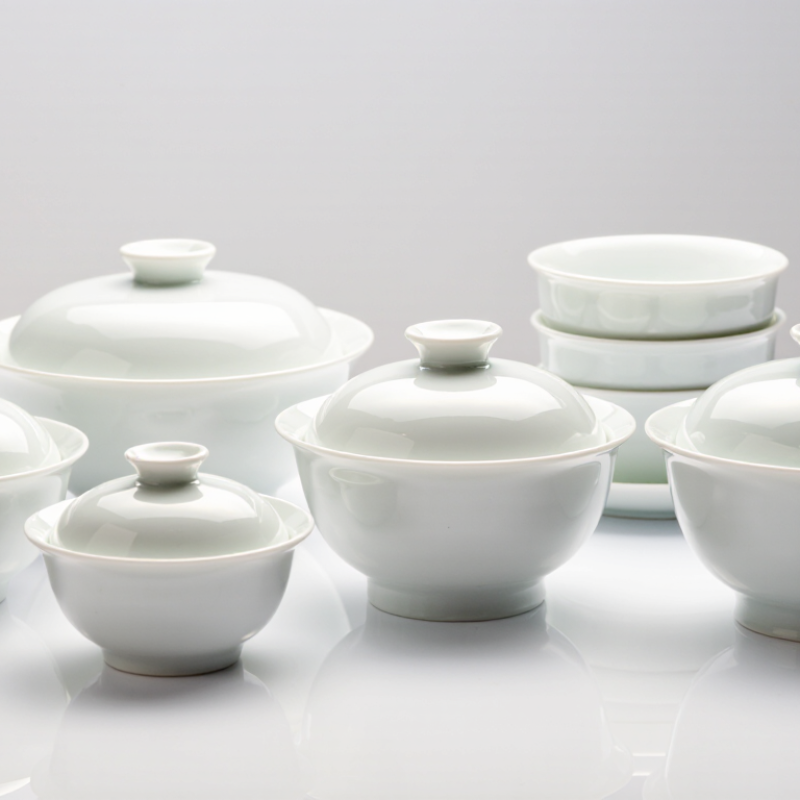
Bone china bowls with lids are lightweight ceramic vessels made from a fine body containing calcined bone ash, kaolin, and feldspathic materials. Bone ash helps create the material’s characteristic translucency and smooth, pale surface. Makers shape the bowl and lid separately, dry them, and fire the pieces before glazing and a further firing. The exact schedule varies by factory and body formula. Small details matter: uneven shrinkage can leave a lid rocking instead of seating neatly.
Production combines craftsmanship with repeatable checks. Workers inspect rims, glaze coverage, and lid fit; wholesale buyers can request sample checks across a batch. A perfect fit is not automatic. Grand View Research’s 2024 dinnerware market analysis estimated the broader global dinnerware market at about US$17 billion in 2023; that figure covers many materials, not bone china alone. For food-contact quality, ISO 6486-1:2019 sets a test method for lead and cadmium release from ceramic articles. It measures migration, not every aspect of durability or workmanship. Buyers should also review firing consistency, packing protection, and the supplier’s inspection records before placing large orders.
The capacities and dimensions below are indicative ranges for common bowl formats, not fixed industry standards. Actual specifications vary by design and manufacturer.
| Bowl format | Indicative capacity | Indicative diameter | Typical lid design | Common use | Wholesale buying checks |
|---|---|---|---|---|---|
| Individual covered soup bowl | 350–600 ml | 12–15 cm | Close-fitting domed or flat lid, often with a small knob | Soup, broth, and individual hot dishes | Check lid fit, usable capacity, and whether the knob is easy to grip. |
| Covered rice or cereal bowl | 400–700 ml | 13–16 cm | Low lid with a rim or locating edge | Rice, cereal, side dishes, and table service | Confirm stackability and the packed dimensions of bowl-and-lid sets. |
| Covered serving bowl | 800–1,500 ml | 16–20 cm | Lid with a central handle or knob | Shared sides, vegetables, and table presentation | Ask for total weight, rim dimensions, and protective-packaging details. |
| Covered condiment or sugar bowl | 150–300 ml | 8–11 cm | Small fitted lid, sometimes with a spoon notch | Sugar, sauces, preserves, and condiments | Check opening size, spoon access, and whether the lid is included in the set. |
| Large covered food bowl | 1,200–2,000 ml | 19–24 cm | Broad lid designed to sit evenly on the bowl rim | Family-style serving and buffet presentation | Review carton strength, dimensional tolerances, and handling requirements. |
| What bone china is and how covered bowls are typically made | |||||
| Material | Bone china is a type of ceramic body commonly made using bone ash, kaolin, and feldspathic materials. Its exact formulation varies; the fired body is typically fine, light in appearance, and translucent when sufficiently thin. | ||||
| Body preparation and forming | Prepared ceramic material is formed into bowl and lid components, commonly using casting or other shaping methods suited to the design. The pieces are dried before firing. | ||||
| Firing and glazing | The formed pieces are fired, glazed, and fired again according to the ceramic body and glaze process. Firing schedules differ between producers and are not a single universal specification. | ||||
| Decoration and inspection | Where decoration is used, it may be applied during production and may require an additional firing. Finished bowls and lids are checked for appearance, defects, and fit; buyers should request the supplier’s stated food-contact and care information. | ||||
They contain calcined bone ash, kaolin, and feldspathic materials. Bone ash helps create their smooth, pale, slightly translucent body.
Makers shape each piece separately, dry and fire them, then glaze and fire them again. Firing schedules vary.
Uneven shrinkage can leave a lid rocking. A loose lid may let heat and moisture escape.
Not necessarily. Many lids simply cover food, so check the fit and intended use with a sample.
Check rim smoothness, wall thickness, glaze coverage, capacity, and lid seating. Look at several pieces, not just one.
Ask for test records. ISO 6486-1:2019 measures lead and cadmium release from ceramic articles, but not durability or workmanship.
Review stacking stability, carton protection, inspection records, and how bowls are matched with lids during packing. Small differences matter.
No. It can reveal issues, but batch variation may remain. Honestly, one sample can still feel like too little.
A Bone china bowl with lid combines the fine, lightweight feel of bone china with a practical cover for serving, storing, or presenting food. Its production typically involves preparing and shaping a ceramic body, applying glaze, and firing it to create a smooth, refined finish. In 2026, wholesale buyers can compare options by their translucency, weight, durability, ease of cleaning, and suitability for different dining settings. Popular choices include classic round bowls, contemporary shapes, fitted lids, and designs with knobs or subtle decorative details.
When comparing products, look beyond appearance: assess finish consistency, lid fit, packaging, pricing, and minimum order quantities together. Ask potential suppliers about production capacity, sample availability, quality checks, customization options, lead times, and how products are packed for shipping. Clear specifications and direct communication can help buyers select a style that meets customer expectations while keeping purchasing plans practical and consistent.